How Long Does WPC Decking Last Outdoors for Global Buyers?

Time:2026-08-09 Author:Ethan
0%

When considering outdoor decking options, many homeowners grapple with sustainability and longevity. One popular choice is WPC decking, made from wood-plastic composites. The allure of this material lies in its durability and aesthetic appeal. However, prospective buyers often wonder, "How long does WPC decking actually last outdoors?"

Understanding the lifespan of WPC decking involves multiple factors. These include climate, level of maintenance, and installation quality. Varied opinions circulate around this topic, leading to confusion and uncertainty for buyers. Some claim WPC can last over 25 years, while others suggest a shorter duration.

It’s crucial to examine these claims carefully. Are you considering WPC decking for your project? This query invites a deeper investigation. The journey of WPC decking is filled with potential pitfalls and triumphs. Each element impacts not only the decking's resilience but also your overall satisfaction. A thoughtful approach will lead to informed decisions and lasting outdoor spaces.
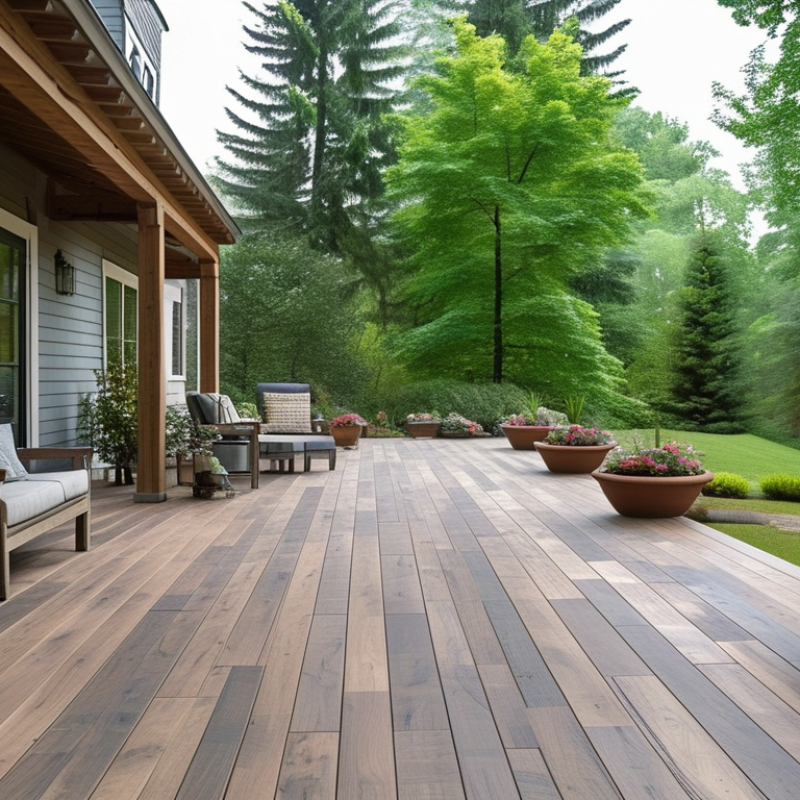
How Long Does WPC Decking Last Outdoors for Global Buyers?

Factors Influencing the Longevity of WPC Decking Outdoors

WPC decking, or wood-plastic composite decking, offers advantages for outdoor use. However, its longevity depends on several key factors. An important aspect is the quality of the material used. Higher-quality WPC products tend to resist weathering and wear better. Cheaper options may degrade faster, leading to issues like splintering and fading.

Environmental conditions play a significant role too. UV radiation, moisture, and temperature fluctuations can impact decking lifespan. For instance, areas with high humidity may encourage mold growth. Regular maintenance, like cleaning and sealing, can enhance durability considerably. Without proper care, even quality decking might fail sooner.

Installation methods also influence longevity. Incorrect installation can lead to warping or lifting. Ensuring proper drainage is essential to prevent moisture buildup. Many neglect these details, which can lead to regrettable outcomes.

Ultimately, the longevity of WPC decking reflects a combination of material quality, environmental challenges, and installation techniques. Careful consideration of these factors can lead to better, long-lasting decking solutions.

Comparative Lifespan of WPC Decking vs. Traditional Wood Decking

When considering outdoor decking, WPC (Wood Plastic Composite) and traditional wood each have their unique lifespans. WPC decking typically lasts around 25 to 30 years with minimal maintenance. It is resistant to rot, insects, and fading from sun exposure. This longevity makes it appealing to homeowners who desire durability and less upkeep.

In contrast, traditional wood decking lasts about 15 to 20 years. Its lifespan significantly depends on the type of wood and maintenance practices. Untreated wood can succumb to weather damage and insect infestations, leading to a shorter lifespan. Homeowners might find themselves replacing boards every few years if proper continuously treatments aren't applied.

While WPC decking offers more reliability over time, it's important to consider varying environmental factors. Location, climate, and exposure to moisture can all impact longevity. Some users report fading over time despite WPC's claims of color retention. Regular cleaning and occasional maintenance are necessary for preserving deck appearance and function. Careful evaluation of conditions is crucial for both materials to maximize their lifespan.

Maintenance Practices to Extend the Life of WPC Decking

Maintaining WPC decking is essential for longevity. Regular cleaning is crucial. Dirt and debris can accumulate over time and lead to wear. Use a soft broom or a gentle pressure washer to remove dirt. Avoid harsh chemicals that may damage the surface.

Another effective practice is the application of sealants. These can provide a protective layer against moisture and UV rays. Remember to reapply sealants annually. It can make a significant difference in durability, especially in extreme climates.

Regular inspections also help. Look for signs of damage, such as cracks or warping. Early detection can save you from costly repairs later. Replace damaged boards promptly to maintain overall integrity. Small, consistent actions will extend the life of your WPC decking.

Environmental Conditions Impacting WPC Decking Durability

When considering WPC (Wood Plastic Composite) decking for outdoor use, environmental conditions play a crucial role in its durability. Sunlight, moisture, and temperature fluctuations can significantly affect the lifespan of WPC materials. Prolonged exposure to UV rays may cause discoloration and degradation. Areas with intense sun require a careful selection of WPC formulations that contain UV stabilizers.

Moisture is another major factor. Regions with high humidity and precipitation can lead to mold growth and warping. WPC decking is designed to resist moisture, but it is not completely immune. Regular maintenance, including cleaning and sealing, can extend its life. Shaded areas tend to retain moisture longer, which can accelerate deterioration if neglected.

The impact of temperature variations cannot be overlooked. Extreme cold may make the material brittle, while heat can cause expansion. In some cases, this may lead to buckling or cracking. Buyers should consider local climate factors when making decisions. Understanding these nuances can help ensure that WPC decking remains durable and aesthetically pleasing in outdoor settings. Ignoring these aspects might lead to premature replacement, ultimately affecting the overall investment.

Signs That Indicate WPC Decking Replacement is Needed

WPC (Wood Plastic Composite) decking has gained popularity due to its durability and low maintenance. However, many homeowners may overlook the signs that indicate a replacement is needed. Recognizing these signs can save time and resources in the long run.

One clear indicator is visible warping or buckling of the boards. According to industry reports, warped decking not only compromises aesthetics but also safety. Cracks and splits in the surface can indicate that moisture is penetrating the material. A 2022 study found that nearly 25% of WPC installations showed some level of wear within the first five years. Homeowners should closely inspect their decking for these issues.

Fading is another sign of deterioration. WPC decking can lose its original color due to UV exposure. A report by the American Decking Association noted that significant fading may occur in as little as three years. If the color has significantly dullened, consider replacement. Pay attention to the feel of the surface too. A rough or splintered texture can indicate severe wear, diminishing the comfort and safety of your outdoor space.

FAQS

: What environmental factors affect WPC decking durability?

: Sunlight, moisture, and temperature fluctuations impact WPC decking lifespan significantly.

How does sunlight affect WPC decking?

Prolonged UV exposure may cause discoloration and degradation of the material.

Can moisture harm WPC decking?

Yes, high humidity and precipitation can lead to mold growth and warping.

What maintenance is required for WPC decking?

Regular cleaning and sealing can help extend the life of WPC materials.

What signs indicate WPC decking needs replacement?

Look for visible warping, buckling, cracks, and significant fading.

How quickly can WPC decking show wear?

Reports suggest that nearly 25% of installations may show wear within five years.

What happens in extreme temperatures?

Extreme cold can make decking brittle, while heat can cause expansion and cracking.

Can shaded areas affect WPC decking?

Yes, shaded areas retain moisture longer, accelerating deterioration if neglected.

Is fading an issue for WPC decking?

Yes, fading can occur due to UV exposure, sometimes within three years.

How should homeowners inspect their decking?

Inspect for warping, cracks, fading, and rough textures for safety and comfort.

Conclusion

When considering "How long does WPC decking actually last outdoors," several factors come into play that influence its longevity. Key elements include the quality of the materials, environmental conditions such as temperature and moisture, and how well the decking is maintained. Generally, WPC (Wood-Plastic Composite) decking is known for its durability, often outlasting traditional wood decking.

To maximize the lifespan of WPC decking, regular maintenance practices such as cleaning, sealing, and inspecting for damages should be employed. Additionally, recognizing signs that indicate when the decking needs replacement—like warping, fading, or extensive wear—can help homeowners make informed decisions. Ultimately, while WPC decking offers significant advantages, its actual lifespan will vary based on care and environmental factors.

Ethan

Ethan

Ethan is a seasoned marketing professional with a deep expertise in our company's innovative product line. With a passion for sharing knowledge and insights, he takes the lead in regularly updating our corporate blog, where he explores industry trends, product features, and effective marketing......