When considering home flooring options, a crucial question arises: Is WPC flooring safe for pets and toddlers? Wood Plastic Composite (WPC) flooring has gained popularity for its durability and aesthetic appeal. According to a report from the Resilient Floor Covering Institute, WPC flooring is designed to withstand heavy foot traffic and is water-resistant, making it a practical choice for families.
However, safety is paramount for households with young children and pets. A study by the American Society for Testing and Materials insists that flooring choices should be free from harmful chemicals. It's essential to check if the WPC flooring is certified low-VOC emissions. Such certifications can help alleviate concerns regarding indoor air quality.
Despite its advantages, some parents and pet owners express concerns. Reports show that not all WPC products are created equal. Variations in manufacturing standards may lead to inconsistent safety features. Therefore, thorough research and careful selection are necessary before making a decision.
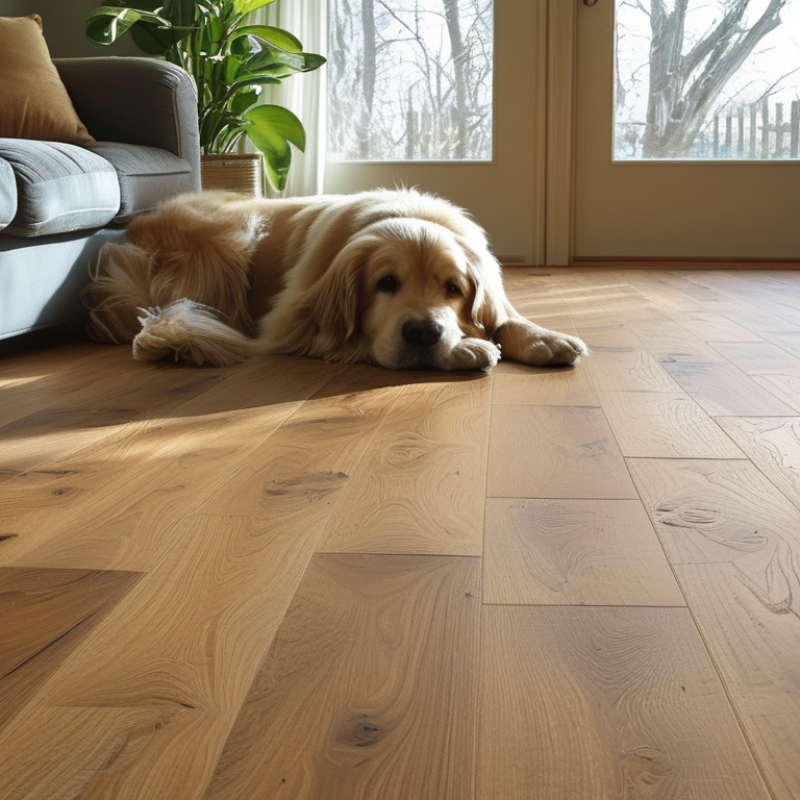
WPC flooring, or Wood Plastic Composite flooring, combines natural wood fibers with plastic materials. This blend creates a durable and water-resistant solution for home flooring. Typically, it's composed of a core made from a mixture of wood and plastic, providing strength and stability. The surface is usually embossed, giving it an appealing look similar to hardwood.
One key appeal of WPC flooring is its safety for both pets and toddlers. The materials used in WPC floors are often low in volatile organic compounds (VOCs). These compounds can negatively impact indoor air quality. Low VOC levels mean safer air for little ones and furry friends.
However, not all formulations are equal. Some lower-quality options may still contain harmful substances. It’s important to check certifications that ensure these floors meet safety standards. Proper installation and maintenance play a role too. Scratches and wear can create a breeding ground for bacteria, posing health risks. Regular cleaning helps mitigate this, ensuring a safer environment for children and pets.
WPC flooring provides a safe environment for pets and toddlers. Its composite nature combines wood and plastic, offering durability and water resistance. This feature is particularly beneficial in homes with young children and playful pets. Spills and accidents are easier to clean, minimizing potential hazards.
When considering WPC flooring, it's vital to check for certifications. Products that meet safety standards can help ensure a healthier indoor environment. Avoid materials that may emit harmful chemicals. Even though WPC is often a safer choice, some products might not embody all the desired safety attributes.
Use rugs or mats in active play areas. This can add an extra cushioning layer for falls. Regular cleaning is important, as pet hair and dirt can accumulate quickly. Introducing a no-shoes rule may also enhance cleanliness. Always stay attentive to any changes in behavior from pets or toddlers. If allergies arise, reassess the flooring choice. Your home should be a safe haven for everyone.
When considering WPC flooring for homes with pets and toddlers, safety certifications play a crucial role. These certifications ensure that the flooring meets strict health standards. Look for products that have been tested for harmful chemicals. The more detailed the certification, the higher the trust in its safety.
Choosing flooring with low VOC emissions is vital. Volatile organic compounds can affect indoor air quality. Check for certifications like GREENGUARD or FloorScore. These indicate a commitment to safety, making your home safer for children and pets.
For added safety, install a textured surface. This provides better traction, reducing slips for toddlers and pets. Regular cleaning is essential, too. Use mild, pet-friendly cleaners to avoid residues that can be harmful.
Ensure proper maintenance to avoid wear that may expose underlying materials. Consider a moisture barrier if your area is prone to spills or accidents. Pay attention to how the flooring holds up. Flaking or peeling is a sign that it may not be suitable for dynamic households.
| Certification/Standard | Description | Safety for Pets | Safety for Toddlers |
|---|---|---|---|
| CARB Phase 2 | Limits formaldehyde emissions from composite wood products. | Yes, minimal emission levels. | Yes, safe for indoor environments. |
| FloorScore | Certifies low VOC emissions for flooring products. | Yes, promotes better air quality. | Yes, suitable for homes with young children. |
| ASTM F1700 | Standard for the quality of laminate and WPC flooring. | Yes, ensures durability and stability. | Yes, practical and safe for young users. |
| US Green Building Council's LEED | Promotes sustainable building materials. | Yes, eco-friendly and safe. | Yes, supports healthier living spaces. |
When considering WPC flooring for households with pets and toddlers, potential risks need careful examination. WPC, or wood plastic composite, is popular for its durability and water resistance. However, its surface can be slippery, posing a risk to toddlers learning to walk. Pets may also find it challenging to navigate, especially if they are elderly or have mobility issues.
Another concern is the chemicals used in some WPC materials. While many brands prioritize safety, not all products are created equal. Some flooring can emit VOCs, which may cause respiratory issues over time. Moreover, if a pet chews on the flooring, the ingestion of any harmful elements could lead to health problems. Regularly monitoring wear and tear on the flooring can help detect any potential hazards before they become serious.
Finally, maintenance is crucial. Although WPC flooring is low-maintenance, spills and accidents still occur. Pet urine or toddler messes must be cleaned immediately to avoid staining or odors. Selecting a finish that is easy to clean can make a difference. Assessing these factors ensures a safe environment for both pets and small children.
WPC flooring is increasingly popular in family homes. Its durability and water-resistant qualities make it an attractive choice. However, maintaining its beauty requires some attention. Regular cleaning with a soft broom or vacuum helps prevent dirt accumulation. It's crucial to avoid harsh chemicals that could damage the finish. Most industry experts recommend using a pH-neutral cleaner specifically designed for laminate or vinyl floors.
When it comes to injuries, slips can happen. While WPC flooring is less slippery than traditional tiles, it’s essential to address spills immediately. Providing rugs or mats in high-traffic areas can reduce risks for pets and toddlers. According to a report from the American Society for Testing and Materials, textured surfaces can enhance traction, making them safer for little feet.
Being mindful of pet nails is important too. Claw marks can mar the appearance of WPC flooring over time. Regularly trimming pet nails can help. For families with both pets and children, growth in the flooring market indicates a trend toward more durable, kid-friendly, and pet-friendly options. This balance of safety and aesthetics is key for modern family living.
: WPC flooring is a composite of wood and plastic. It is durable and water-resistant.
It creates a safe environment. It is easy to clean up spills and accidents.
Always look for safety certifications. Choose products tested for harmful chemicals.
Install a textured surface for better traction. Use rugs in play areas for cushioning.
Regular cleaning is crucial. Pet hair and dirt accumulate quickly.
Some products may. Look for low VOC emissions and relevant safety certifications.
Use mild, pet-friendly cleaners. Avoid harsh chemicals to protect the finish.
Address spills immediately. Consider rugs in high-traffic areas for safety.
Trim pet nails regularly. This prevents claw marks on the surface.
Watch for flaking or peeling. These signs indicate potential issues in a busy household.
WPC flooring, or wood-plastic composite flooring, is increasingly popular for family environments, especially those with pets and toddlers. It combines wood fibers and plastic for durability and moisture resistance, making it a suitable choice for active households. However, when considering "Is WPC flooring safe for pets and toddlers," it's essential to evaluate its benefits, such as easy maintenance and resilience against wear.
Safety certifications ensure that WPC flooring meets certain standards, but potential risks still exist. It’s important to be aware of specific components that could pose health concerns and to follow proper maintenance and care tips to mitigate any risks. Ultimately, while WPC flooring offers many advantages, careful consideration of its safety attributes is crucial for families with young children and pets.

KandS Floor