Engineered for heavy-duty structural integrity and persistent mold-resistance.
In modern structural engineering, high-humidity zones and extreme outdoor exposures pose severe decay hazards to traditional building materials. Traditional timbers suffer from lignin degradation and active fungal proliferation under constant moisture, causing premature mechanical failures. Consequently, the global commercial market has witnessed a major paradigm shift towards anti-fungal composite decking and cladding.
By compounding reclaimed wood fiber with high-density polymers (HDPE/PP) and integrating advanced antimicrobial additives, modern manufacturers produce materials that resist rot, termites, and fungal colonization (such as Aspergillus niger and Penicillium species). According to current market intelligence, the demand for high-performance Wood Plastic Composites (WPC) is growing at a CAGR of over 8.4% globally, heavily driven by urban infrastructural expansions, resort landscaping, marine developments, and residential outdoor transformations.
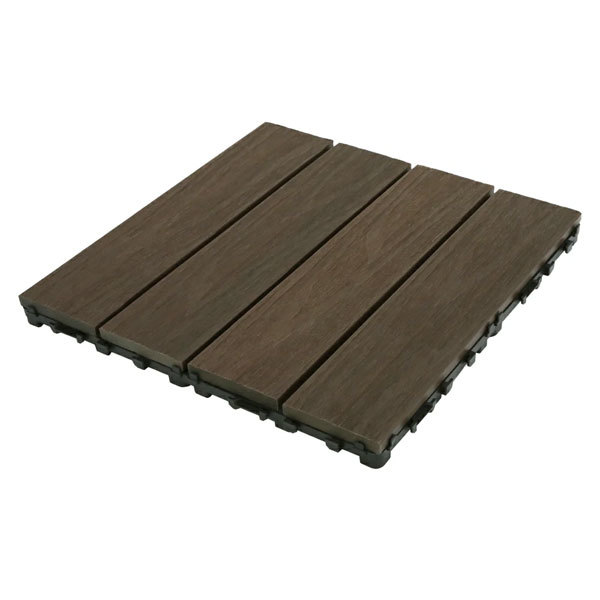
A deep structural profile on Hebei Kands Floor Co., Ltd. - setting global benchmarks in bio-resistant composites.
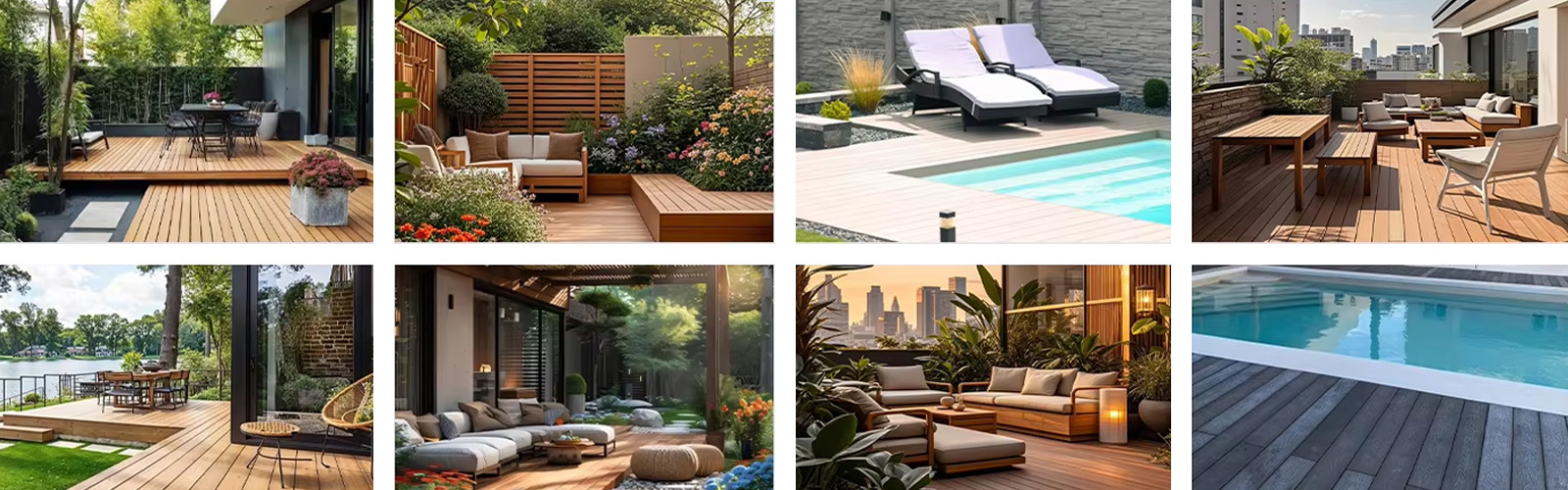
Hebei Kands Floor Co., Ltd. is an industry-leading manufacturer and supplier specializing in high-performance, ultra-durable, and biochemically stable flooring solutions. Backed by over a decade of intensive manufacturing experience, the company produces premium materials engineered specifically for challenges encountered in construction, heavy-load industrial setups, logistics platforms, resort architectures, and harsh outdoor residential environments.
Utilizing proprietary polymer-wood bonding techniques and integrating non-toxic biocides uniformly across the core matrix and shielding layers, KANDS ensures all composite decking tiles, railings, and exterior wall cladding achieve superior anti-fungal ratings. With an export footprint extending to more than 60 countries and regions, KANDS has emerged as a premium strategic partner for international construction distributors and industrial contractors.
Continuous R&D investments lead to advanced generations of WPC flooring with enhanced physical properties, co-extruded capping, and eco-friendly chemical shielding.
Comprehensive third-party testing procedures ensure every production batch conforms to ASTM, CE, and ISO standards, ensuring batch-to-batch consistency.
Boasting a distribution and sales network spanning 60+ countries. Delivering direct-from-factory pricing with high throughput efficiency for global markets.
Comprehensive service path from profile selection, load calculations, thermal expansion considerations, to systematic installation advice.
Under the microscope: How advanced engineering blocks mold and structural degradation.
Standard natural wood fibers contain high levels of hemicellulose and starch, which serve as nutrients for wood-decay fungi. Our engineering path utilizes medical-grade extruders to thoroughly wrap and seal every single micro-sized wood fiber in a high-density polyethylene (HDPE) matrix. This effectively eliminates oxygen and water ingress, leaving no medium for fungal spores to feed on.
Utilizing multi-manifold co-extrusion technology, we apply a secondary, high-durability polymer shield over the core structural composite. This ultra-tough outer shell exhibits non-porous properties, blocking UV rays, resisting heavy foot-traffic scratches, and preventing mold spores from physically taking root in the joints or surface graining.
Integrated additives function throughout the operational life of the WPC. Unlike superficial coatings that wash off with rainfall, KANDS integrates specialized eco-safe microbicides directly into the compound. Under ASTM G21 evaluation, our materials consistently record "Zero Growth" of mold, fungi, and bacterial microorganisms.
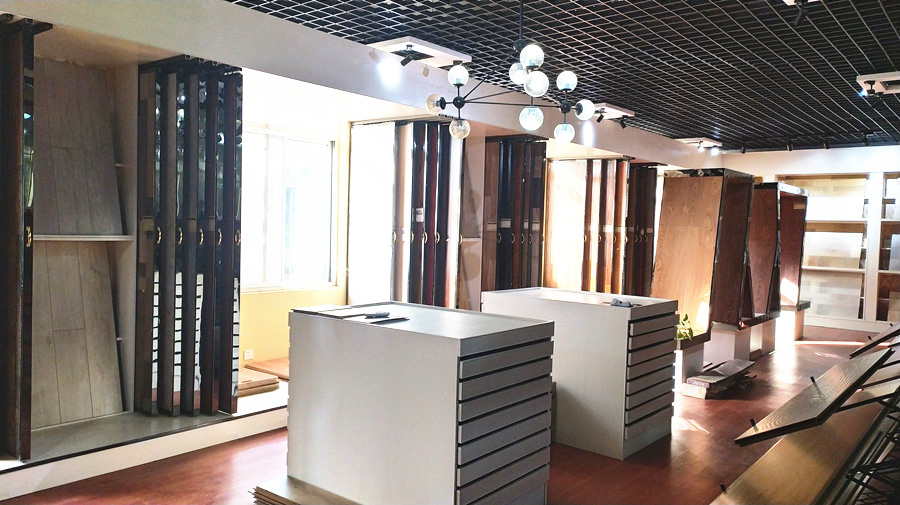
Every stage of production is monitored and calibrated to guarantee ultimate structural strength and anti-fungal properties.
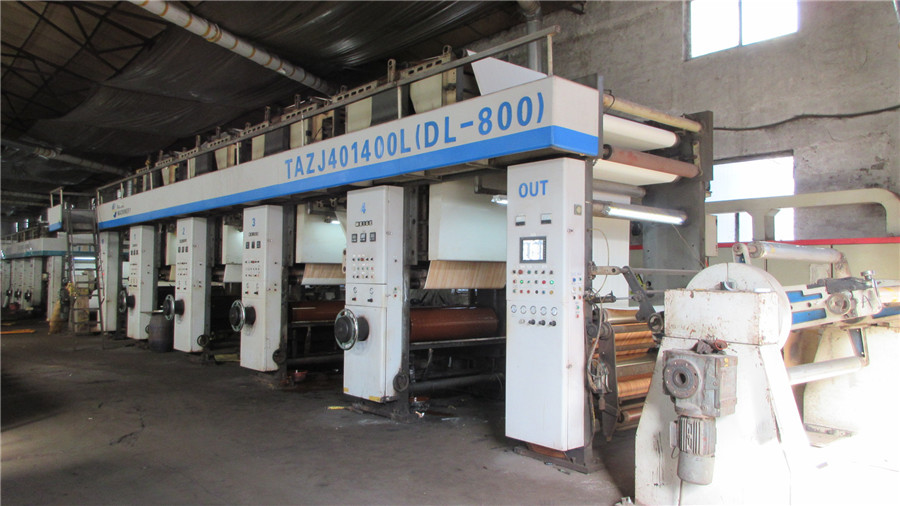
High-definition wood pattern and color sheets are printed with UV-stable pigments to ensure zero fade.
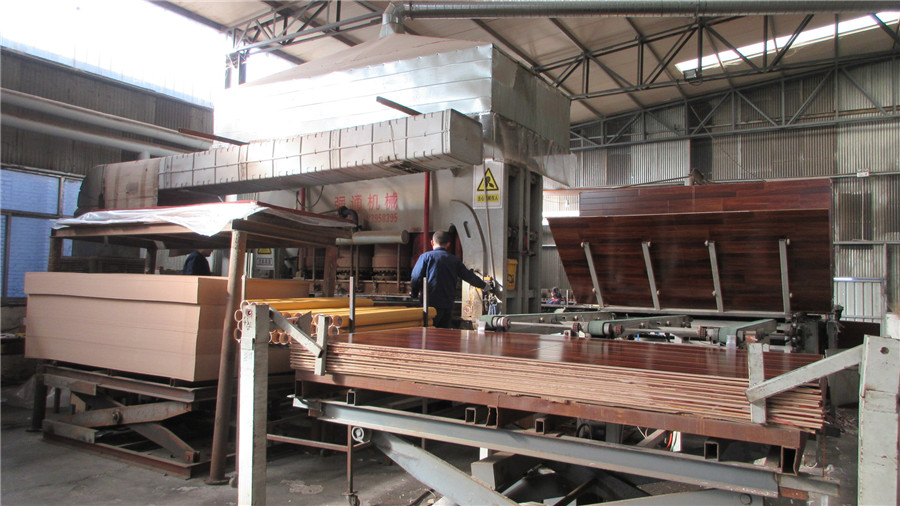
Thermal bonding fuses the polymer matrix, fiberglass structures, and capping shields into a solid block.
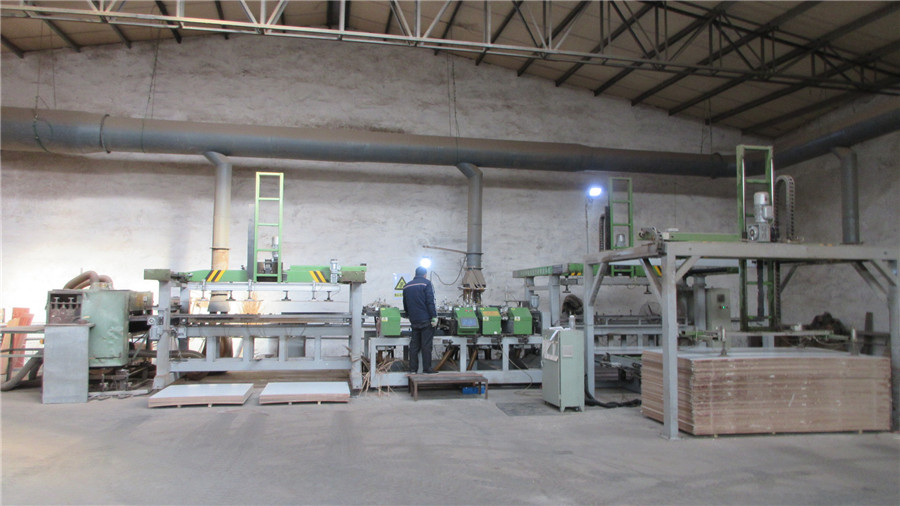
Automated saws cut boards to precise lengths with micro-tolerances to prevent thermal buckling later.
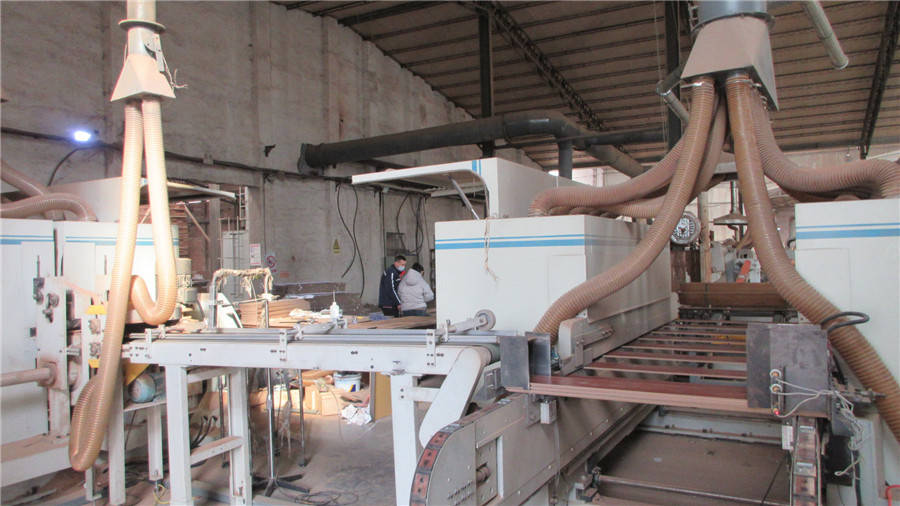
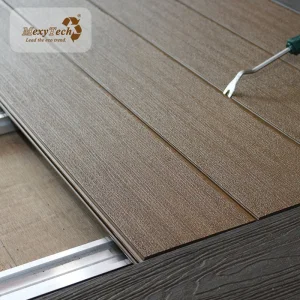
Side channels are milled accurately to accommodate fast-assembly clip systems, ensuring flat surfaces.
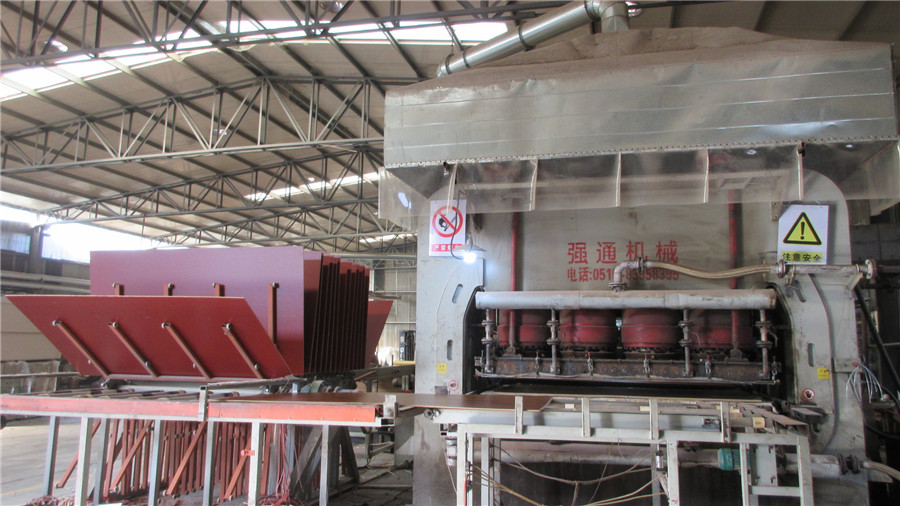
State-of-the-art heavy presses eliminate inner structural voids, reinforcing load capacity.
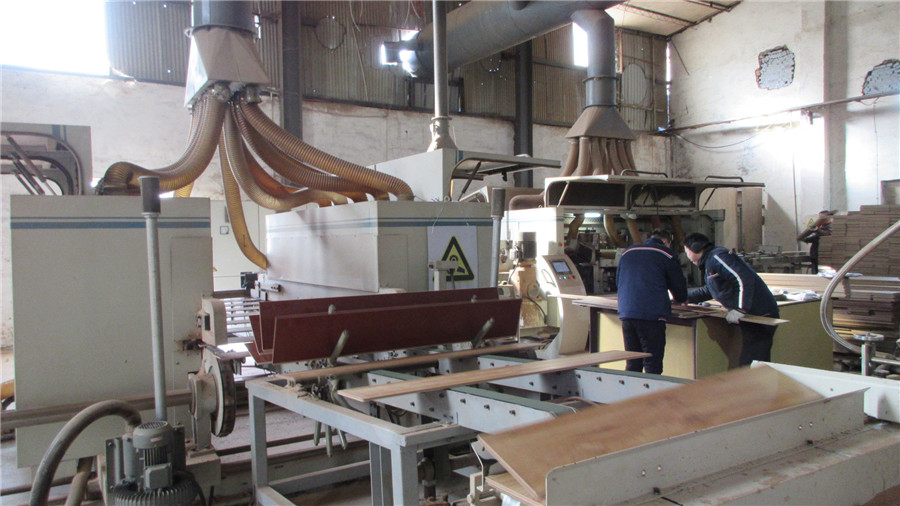
High speed profiling yields smooth-edged profiles ready for high wind-load and high-slip environments.
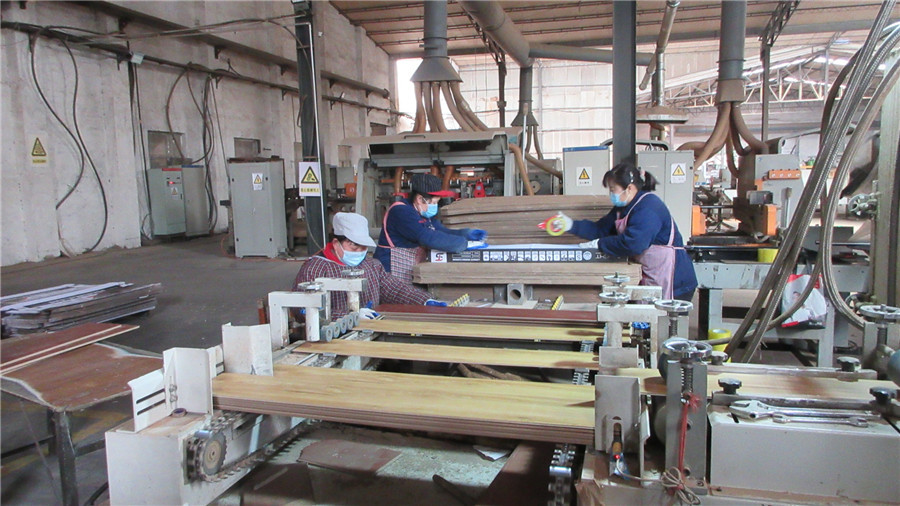
Each board bundle is wrapped in water-resistant sleeves to maintain pristine finish prior to site installation.
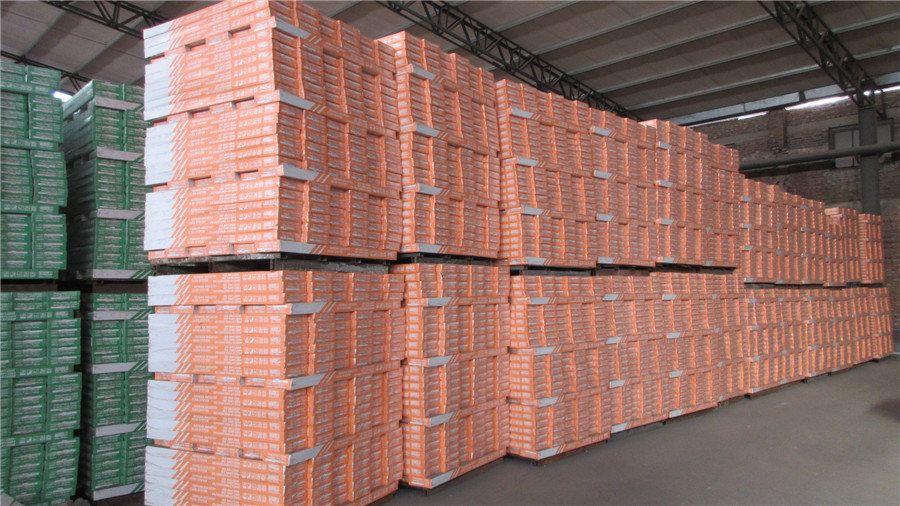
Secure container packing preserves composite boards during long ocean transits, avoiding edge damage.
Why architectural specification boards rely heavily on KANDS products.
We only use high-grade recycled HDPE and highly refined wood flour, treated with UV stabilisers and organic biocides. No hazardous waste polymers enter our production line.
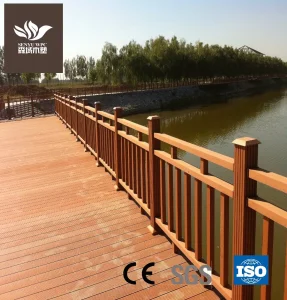
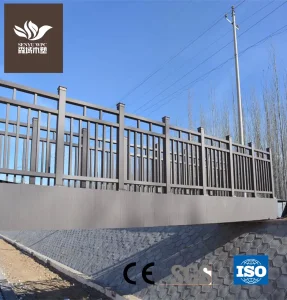
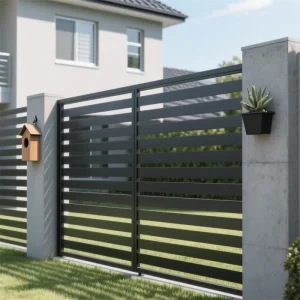
From outdoor decking, structural pool railings, wall cladding to customized park fence configurations. Engineered to operate efficiently across maritime and desert climates.
Designed with smart groove and hidden clip systems. Decreases on-site construction hours by up to 40% and ensures perfect alignment and expansion joints.
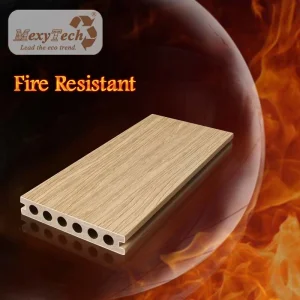
Passes intensive stress testing. High load bearing capacity, anti-slip surface graining (even when wet), class-B fire rating, and resistance to impact fractures.
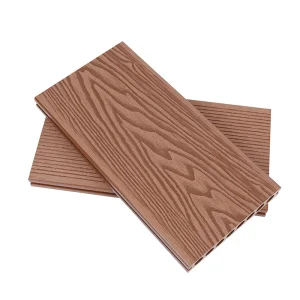
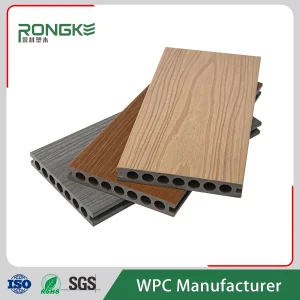
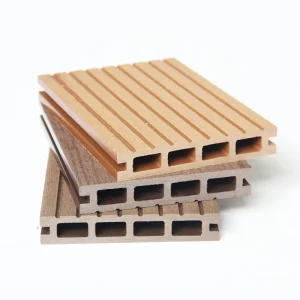
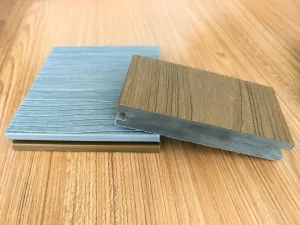
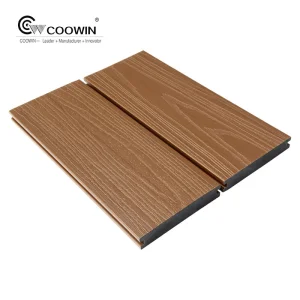
Available in a wide range of colors (teak, charcoal, redwood, light grey) and textures (3D deep embossing, sanded finish, traditional grooved) to fit any design scheme.
100% recyclable material base. By combining post-industrial wood scrap and recycled plastics, we mitigate landfill growth and lower overall carbon footprints.
Engineered solutions solving high-risk degradation problems in actual environments.
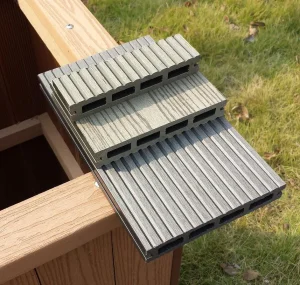
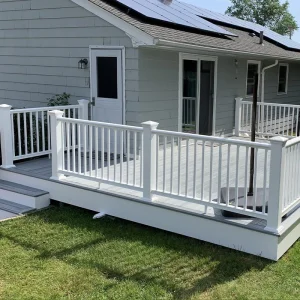
Constant splashing and high humidity are breeding grounds for mold. Our anti-mold and anti-slip WPC decking provides safety and structural integrity under constant moisture exposure.
Intense UV rays coupled with seasonal rains cause normal timber to warp and split. KANDS co-extruded decking boards resist fading, moisture infiltration, and thermal expansion failure.
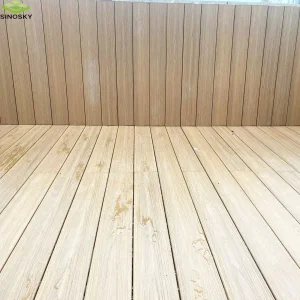
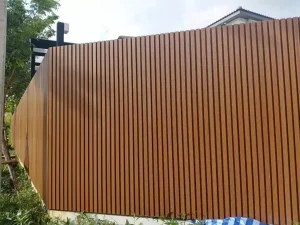
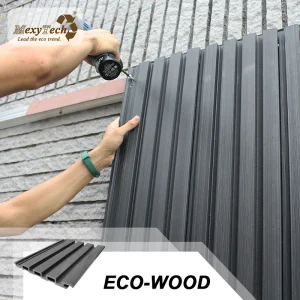
Exterior wall cladding must withstand weather patterns while maintaining design appeal. Our WPC slatted wall cladding provides thermal insulation and rot protection with a modern aesthetic.
Key technical parameters global procurement managers evaluate when buying anti-fungal composite decking.
| Technical Parameter | Traditional Wood decking | Basic WPC Decking | KANDS Advanced Anti-Fungal WPC |
|---|---|---|---|
| ASTM G21 Anti-Mold Rating | Grade 3 - 4 (Severe Growth) | Grade 1 - 2 (Trace Growth) | Grade 0 (Zero Growth) |
| Moisture Absorption Rate | >15% (High Swelling) | <3.5% (Moderate) | <0.8% (Negligible Swelling) |
| Annual Maintenance Cost | High (Sanding, Painting, Sealing) | Low (Water wash) | Ultra-Low (Maintenance Free) |
| Lifespan (Outdoor Exposure) | 3 - 8 Years | 10 - 15 Years | 20 - 25+ Years |
Expert structural answers on anti-fungal properties, chemical safety, installation mechanics, and project ordering.
Browse additional specialized outdoor profiles, railings, and wall cladding materials.
 KandS Floor