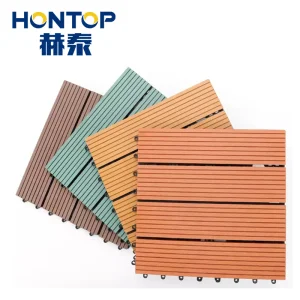
Explore our engineering-grade wood-plastic composites, high-density interlocking tiles, and structural cladding systems designed for resilient architectural applications.
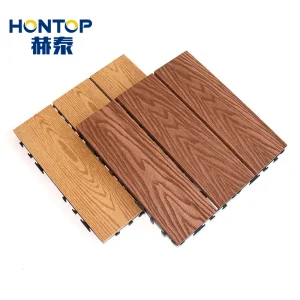
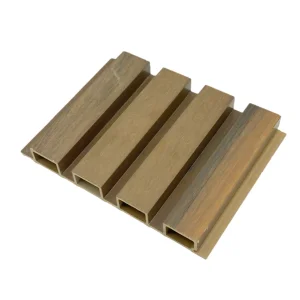
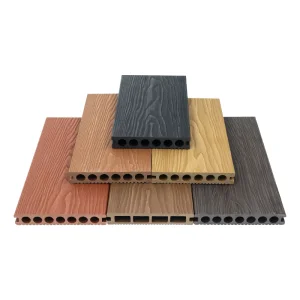
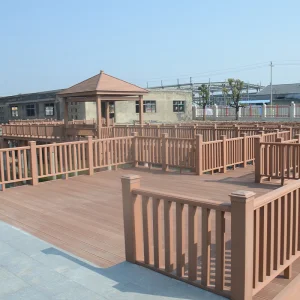
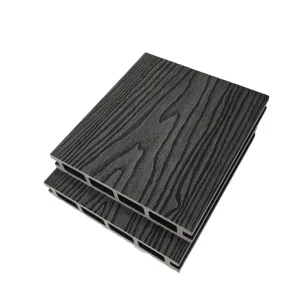
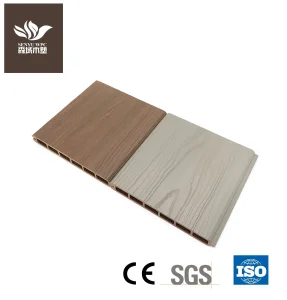
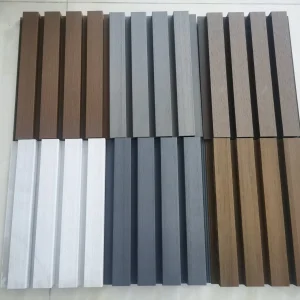
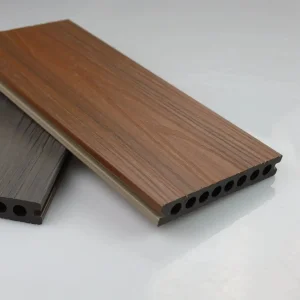
The global outdoor flooring market has undergone a dramatic structural evolution. Driven by rapid urbanization, climate change adaptation, and the expansion of outdoor living spaces, commercial developments and public infrastructures are demanding materials that transcend the limitations of conventional timber and concrete.
Traditional wood, while aesthetically pleasing, suffers from organic decay, moisture absorption, insect infestation, and rapid degradation under solar UV exposure. Conversely, non-porous masonry and concrete lack structural flexibility, are highly susceptible to freeze-thaw thermal cracking, and exhibit poor heat dissipation.
Today's modern projects require engineered materials like Wood-Plastic Composites (WPC) and advanced co-extrusion polymer layers to ensure structural integrity and code compliance in harsh climates.
From architectural high-rises in New York to sprawling hotel complexes in Dubai, waterproof outdoor flooring has transitioned from a premium decorative luxury to a core engineering requirement. The commercial shift is heavily centered around total cost of ownership (TCO)—prioritizing products that eliminate maintenance cycles, staining, sealing, and repair operations.
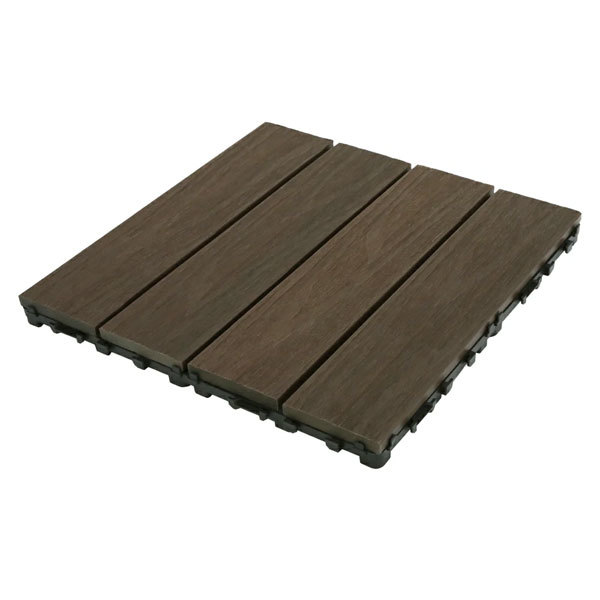
HEBEI KANDS FLOOR CO., LTD. represents the cutting edge of high-performance composite manufacturing, combining over a decade of technological research with a vast global logistics network.
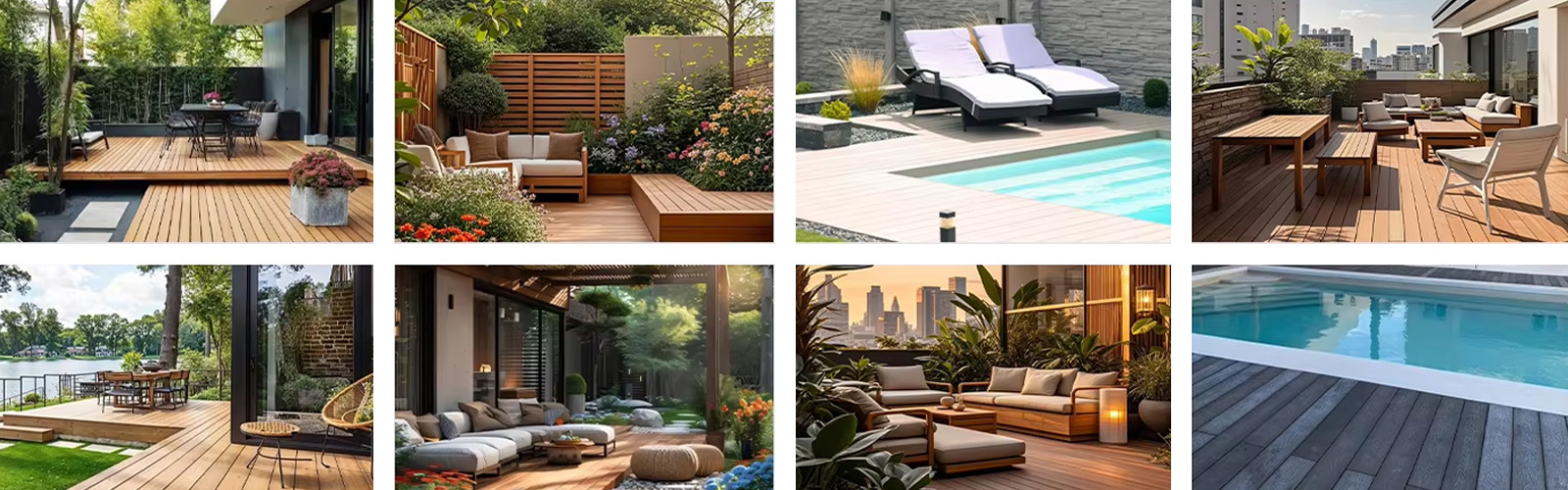
Established as a pioneering force, Hebei Kands Floor Co., Ltd. serves critical sectors including commercial construction, public transport hubs, heavy maritime logistics, and hospitality landscapes. Our organizational foundation is built on three core pillars:
A look into our vertically integrated facility, illustrating the precise thermophysical and mechanical stages required to produce durable, high-performance WPC decking.
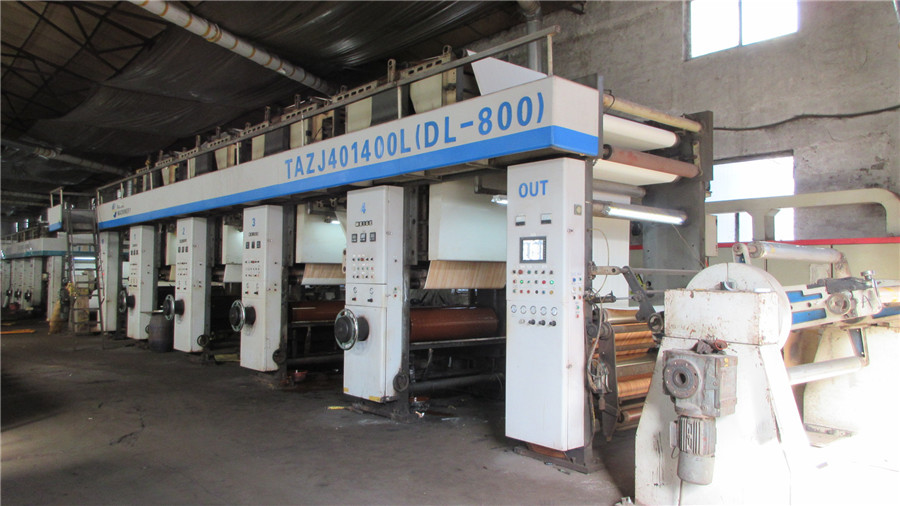
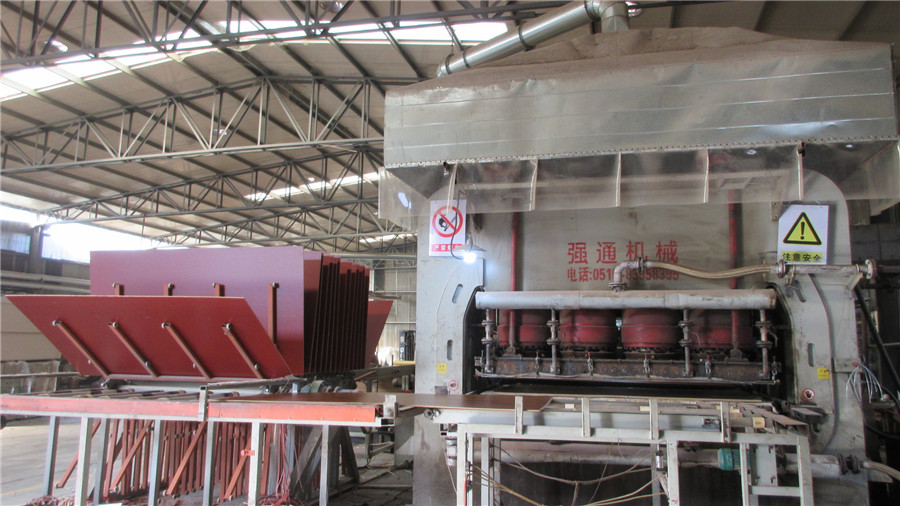
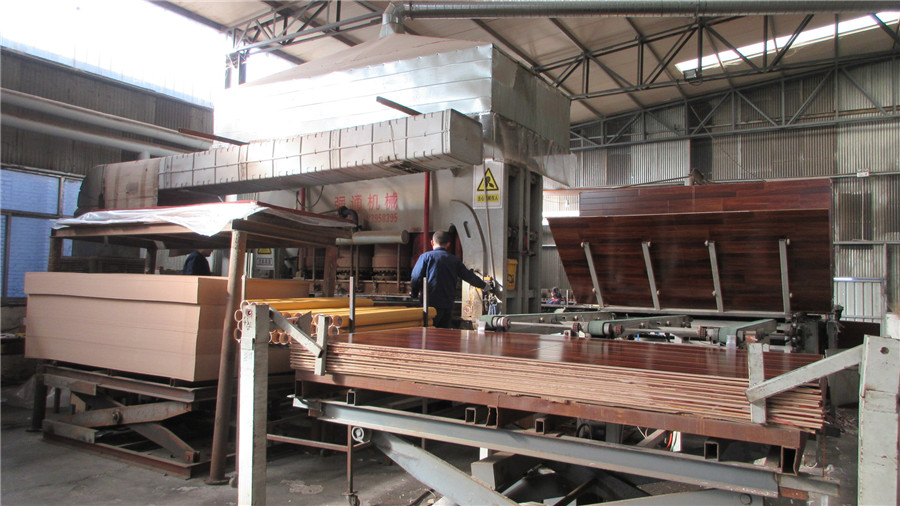
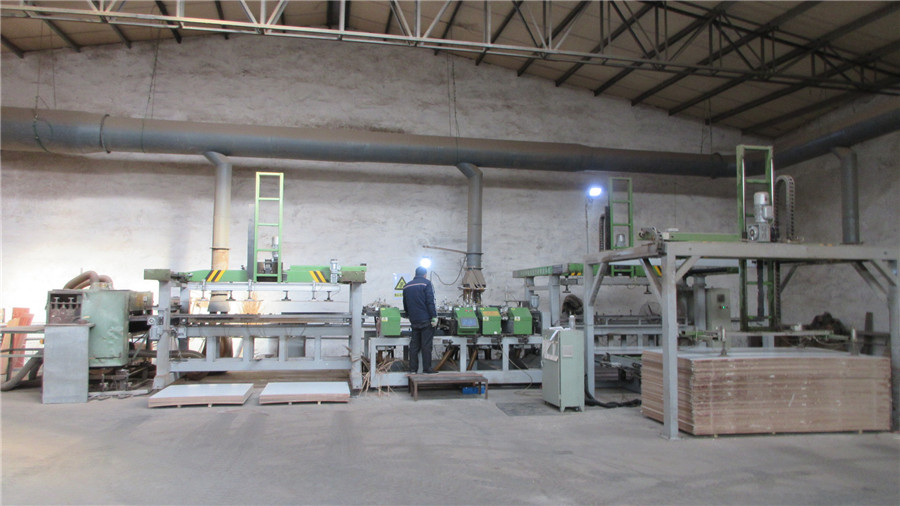
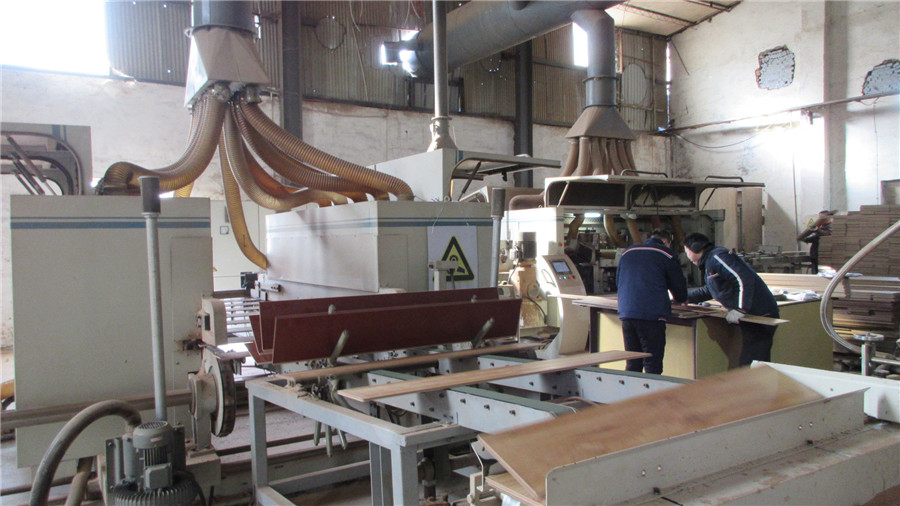
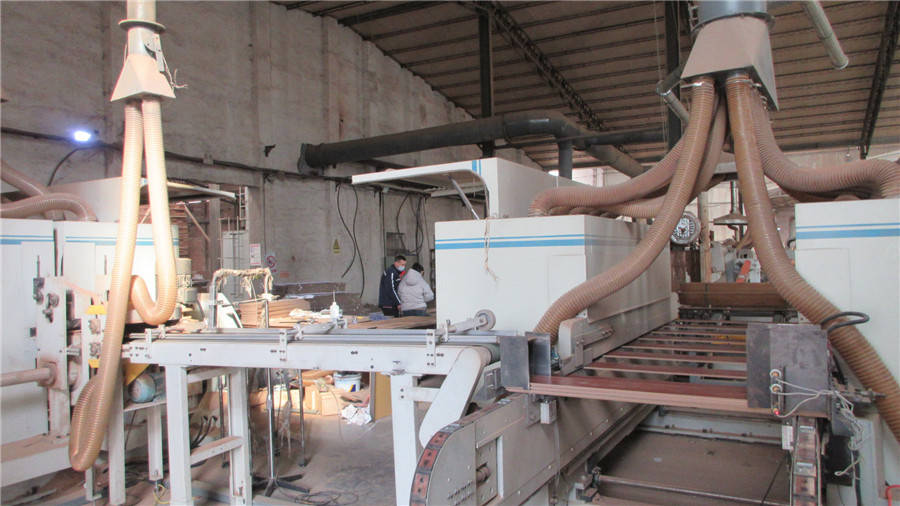
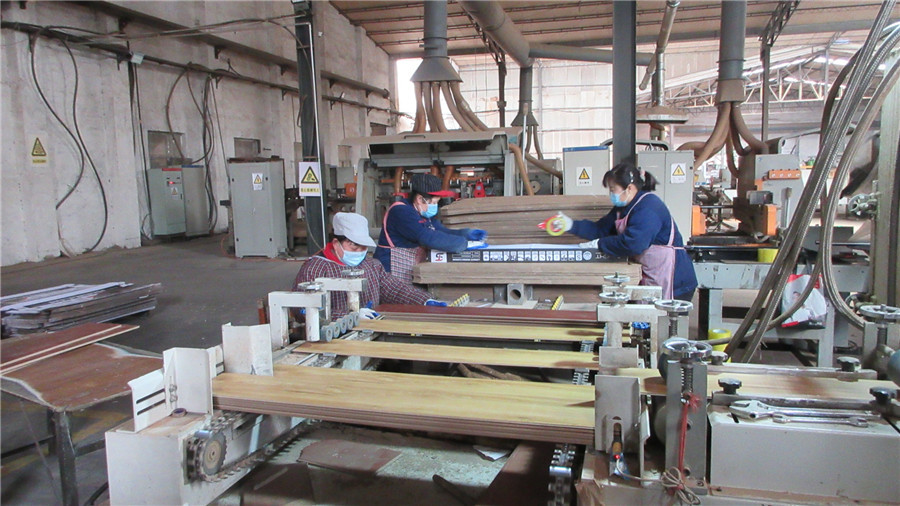
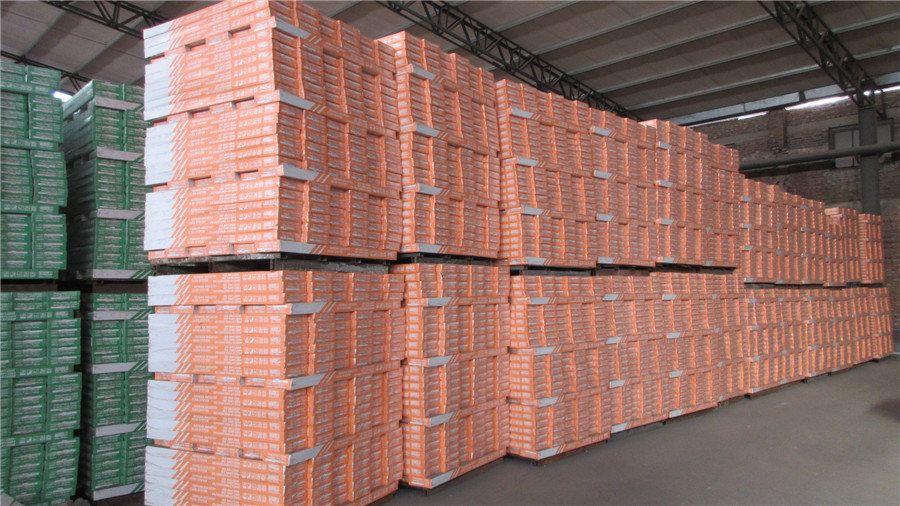
Traditional first-generation WPCs rely on a homogeneous composite mix exposed directly to the elements. While superior to raw timber, they remain vulnerable to localized moisture ingress, environmental staining, and gradual color fading from solar UV exposure. Hebei Kands Floor addresses this vulnerability through 360-degree, co-extruded capping technology.
Using advanced co-extrusion machinery, the inner structural composite core is encapsulated in a high-density, polymer-shielding outer layer. This outer shield contains specialized UV stabilizers, anti-oxidants, and slip-resistant additives. As a result, the moisture absorption rate is reduced to nearly 0%, preventing internal core swelling, warping, and fungal growth even under continuous water immersion.
Optimized systems tailored to meet the demanding requirements of various commercial, industrial, and public developments.
Engineered to deliver exceptional durability and reliability in challenging outdoor environments.
Features cross-linked molecular structures that prevent chemical degradation from acid rain, chlorine, saltwater, and harsh environmental pollutants.
Engineered with a low coefficient of thermal expansion, preventing warping, buckling, and joint stress during extreme diurnal temperature swings.
Proprietary structural tongue-and-groove or click-lock profiles speed up on-site installation, reducing labor costs and ensuring seamless water drainage.
Outdoor surfaces face vastly different stress factors depending on their geographic location. A product optimized for Northern Europe must address different failure modes than one installed in the Middle East.
High UV & Arid Thermal Stress (GCC Countries, Australian Outback): Prolonged high UV indexes break down basic polymers, causing chalking, embrittlement, and severe fading. Our products utilize hindered amine light stabilizers (HALS) within the capping layer, absorbing UV radiation and converting it into harmless thermal energy, preserving the core structure.
Sub-Zero Freeze-Thaw Conditions (Canada, Scandinavia): Water ingress into micro-fissures followed by freezing causes expansion, resulting in structural delamination. Our 0.08% water absorption index prevents moisture retention, protecting boards from internal structural damage during freeze-thaw cycles.
High Humidity Monsoon Zones (Southeast Asia, Tropical Coasts): Continuous moisture promotes rapid fungal colonization, structural rot, and termite activity. Our composite formulation uses synthetic resin bases that offer no organic food source for termites or wood-decaying fungi.
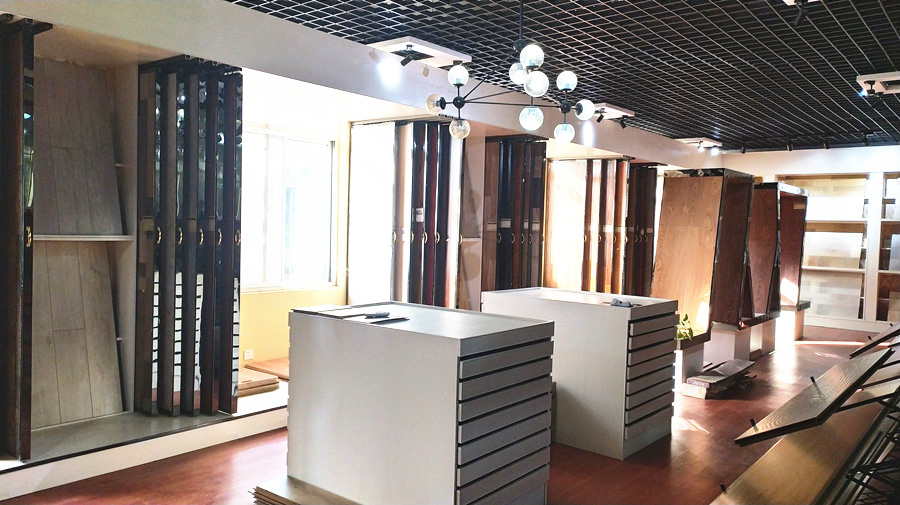
A look at the emerging technologies, material improvements, and circular economies shaping the future of outdoor flooring.
Phasing out virgin petroleum-based plastics in favor of bio-based monomers derived from agricultural side streams, lowering the product's carbon footprint while maintaining high density.
Integrating heat-reflective microscopic pigments within co-extrusion caps to lower infrared heat absorption, keeping surfaces cool under direct sunlight.
Implementing take-back and recycling programs for post-industrial demolition waste, turning old decking into raw materials for new WPC production.
Detailed answers to common questions about durability, installation, and material properties for architects, contractors, and builders.
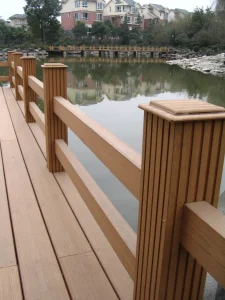
Explore our structural balustrades, heavy-duty hybrid planks, and fluted exterior claddings designed to withstand demanding environments.
 KandS Floor