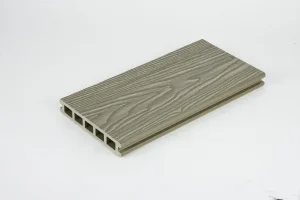
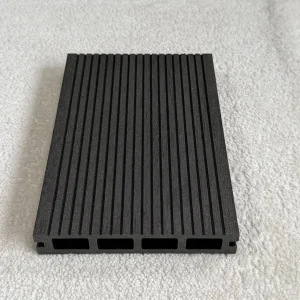
The Lisbon metropolitan area, spanning from the historic avenues of Chiado to the modern developments in Parque das Nações and coastal Cascais, presents unique challenges for outdoor construction materials. Traditional timber structures suffer rapid degradation under the combined influence of high solar irradiance, intense salt spray from the Atlantic, and fluctuating seasonal humidity.
"Structural architects and urban planners in Lisbon are increasingly mandating hollow Wood-Plastic Composite (WPC) decking due to its integrated weight-to-strength ratio, minimal heat retention, and adherence to European green building standards."
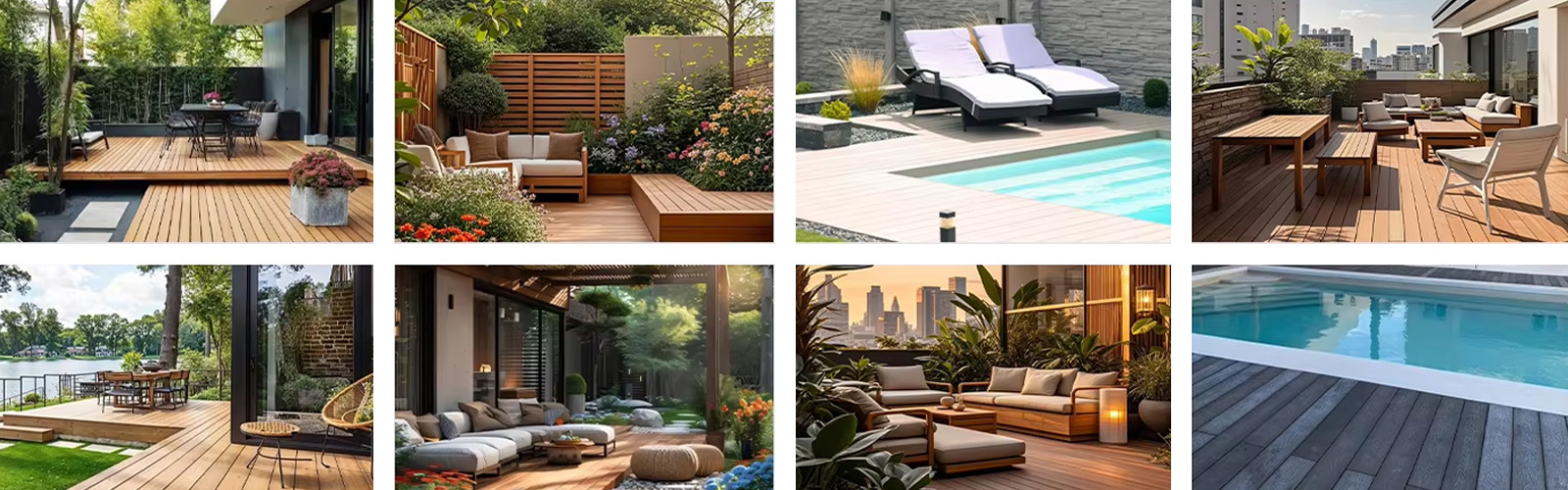
For large-scale municipal infrastructure, residential balconies, and high-foot-traffic commercial pool surrounds, Hollow WPC offers unmatched advantages. The interior hollow chambers function as natural thermal vents, dissipating heat much faster than solid options under Lisbon’s intense summer sun, while drastically lowering material weight for transport and structural framing load.
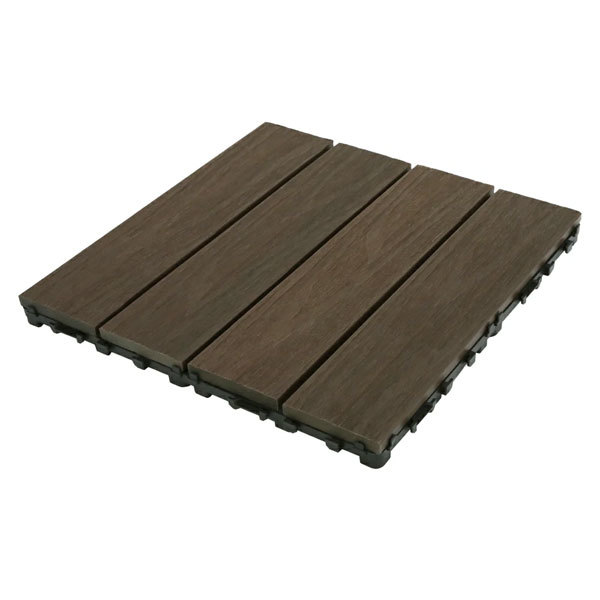
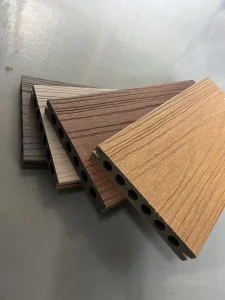
Select from our highly engineered hollow core profiles, optimized for ventilation, durability, and aesthetics in high-UV coastal environments.
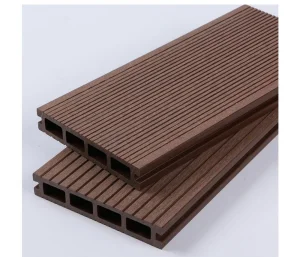
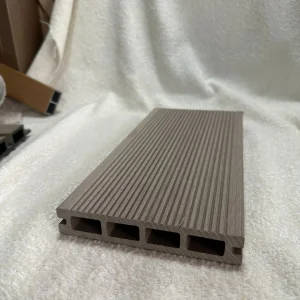
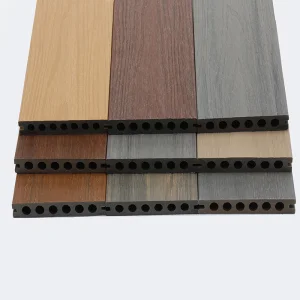
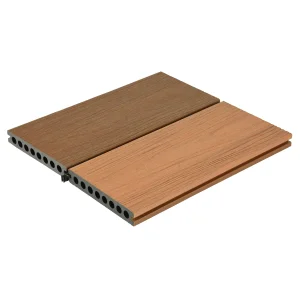
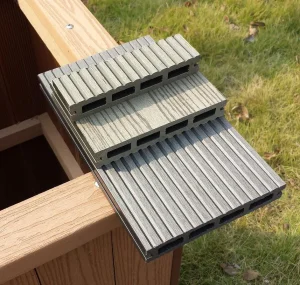
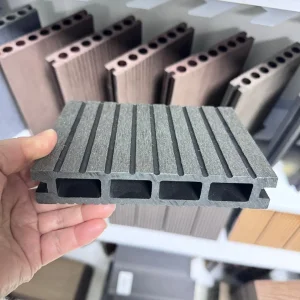
Unlike solid decking profiles, high-grade hollow WPC decking incorporates strategic engineering voids. These interior chambers serve two crucial physical operations:
Under Portuguese high-UV conditions, thermal expansion is the leading cause of composite warping. Hollow structures allow continuous internal air currents to dissipate heat from within, lowering surface temperature by up to 8°C compared to solid composite boards.
Hollow decking drastically reduces the deadweight load of outdoor structures, making it the preferred solution for municipal retrofits in Lisbon's historic districts where building load constraints are highly regulated.
Constructed utilizing 60% reclaimed natural wood fiber, 30% recycled High-Density Polyethylene (HDPE), and 10% environmentally safe performance additives, reducing carbon footprints in accordance with the EU Green Deal.
Over a decade of engineering high-performance and durable architectural composite systems globally, backed by third-party testing and customized supply chains.
We continuously invest in material sciences, staying at the forefront of polymer co-extrusion technology. Over the years, we have engineered multiple generations of composite products that offer enhanced UV resistance, structural longevity, and minimal environmental impact.
All our products undergo rigorous third-party testing. We provide comprehensive inspection reports verifying density, anti-slip co-efficients, fire-retardant capabilities, and flexural modulus properties, ensuring absolute reliability on-site.
With an active distribution network covering over 60 countries and major maritime ports including the Port of Lisbon, we handle high-volume OEM/ODM projects with seamless custom clearance and localized logistics coordination.
Take a virtual walkthrough of our production facilities, highlighting the critical manufacturing processes that build the core strength of our WPC products.
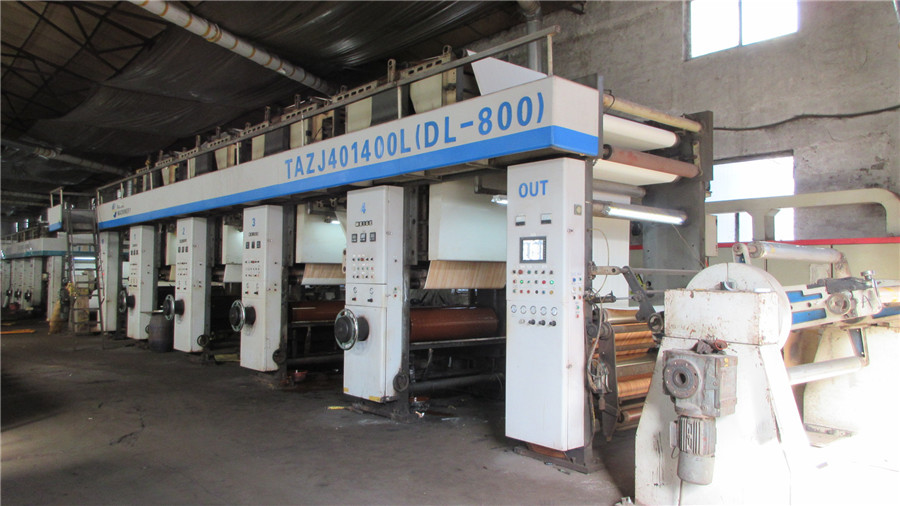
Impregnating core stabilization layers for exterior grade WPC protection profiles.
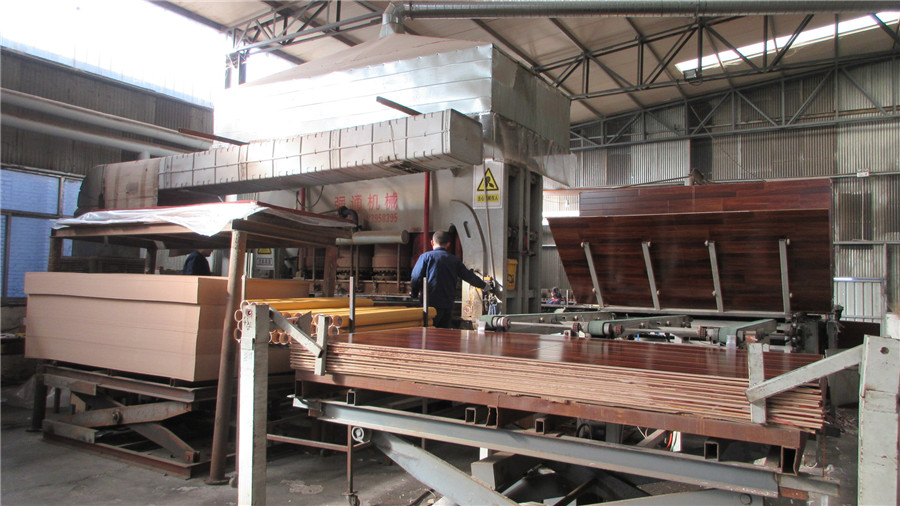
Thermally bonding natural organic fibers with durable polymers under high pressure.
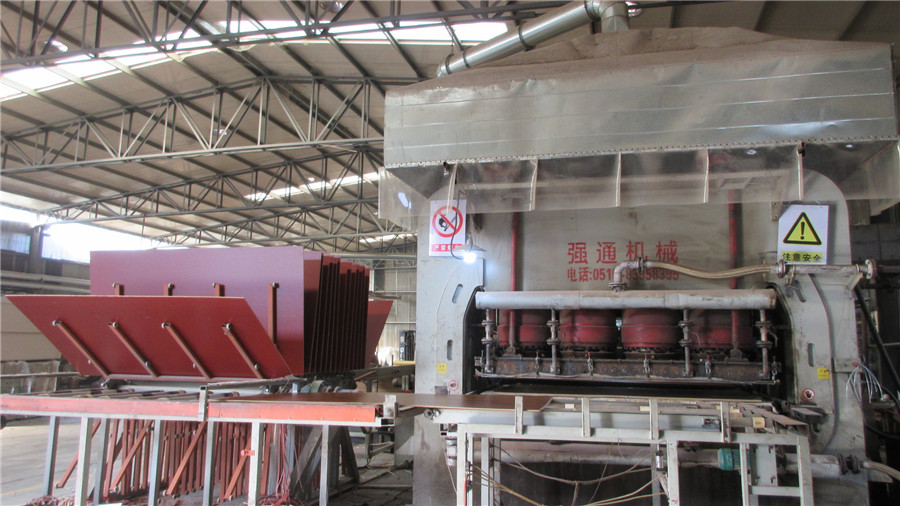
Utilizing advanced molds to shape structural hollow venting profiles flawlessly.
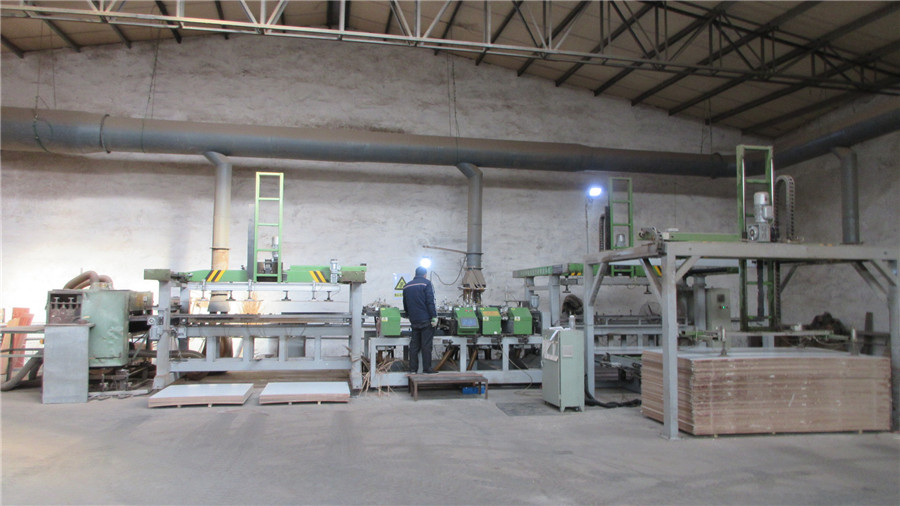
Cutting extrusion profiles down to custom architectural lengths automatically.
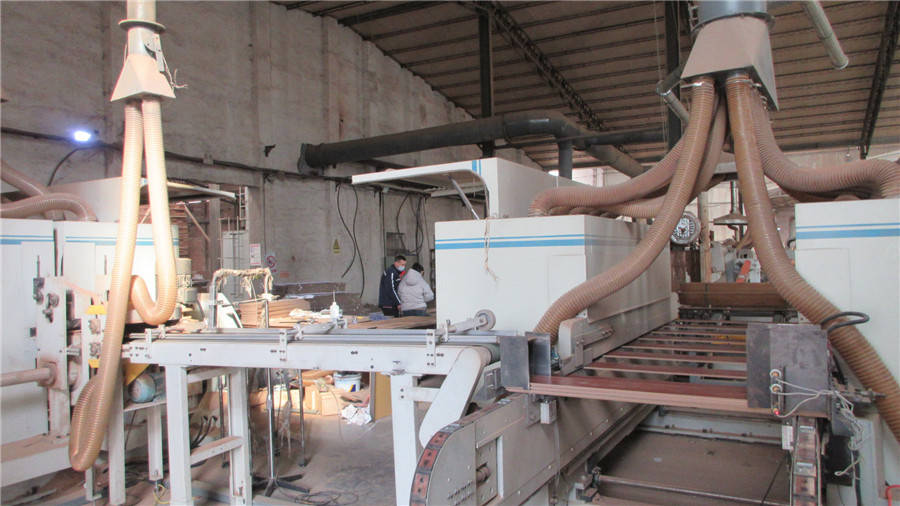
Profiling standard groove clips to ensure rapid, gap-controlled deck installation.
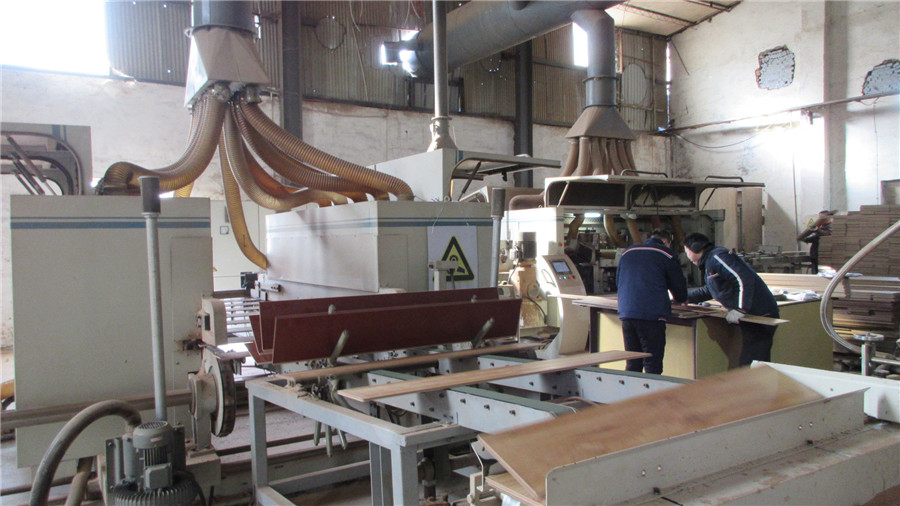
Calibrating structural dimensions under micrometer accuracy tolerances.
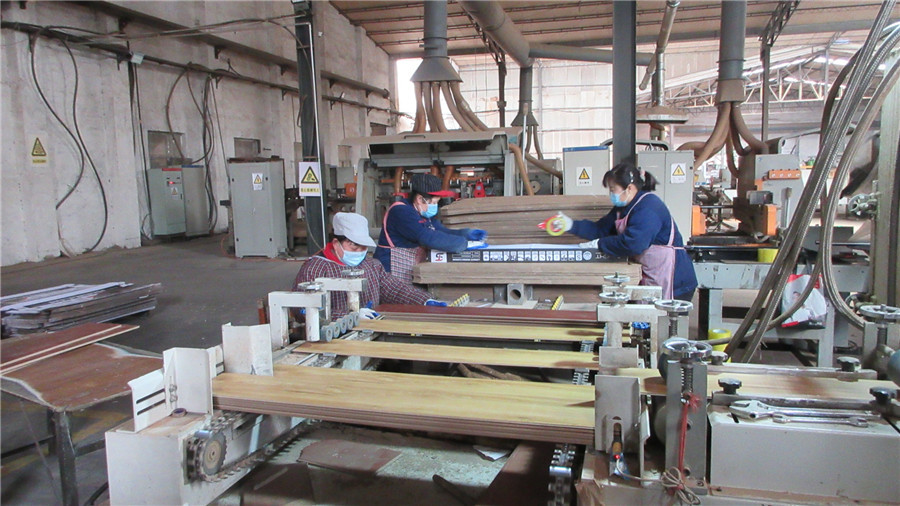
Encasing products in protective moisture-proof films, ready for container loads.
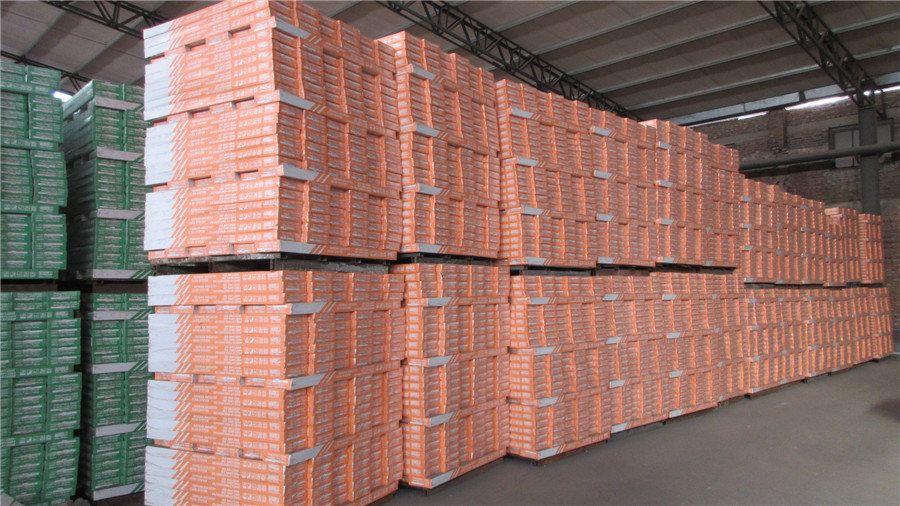
Palletized components ready for ocean freight with secure sea transit packaging.
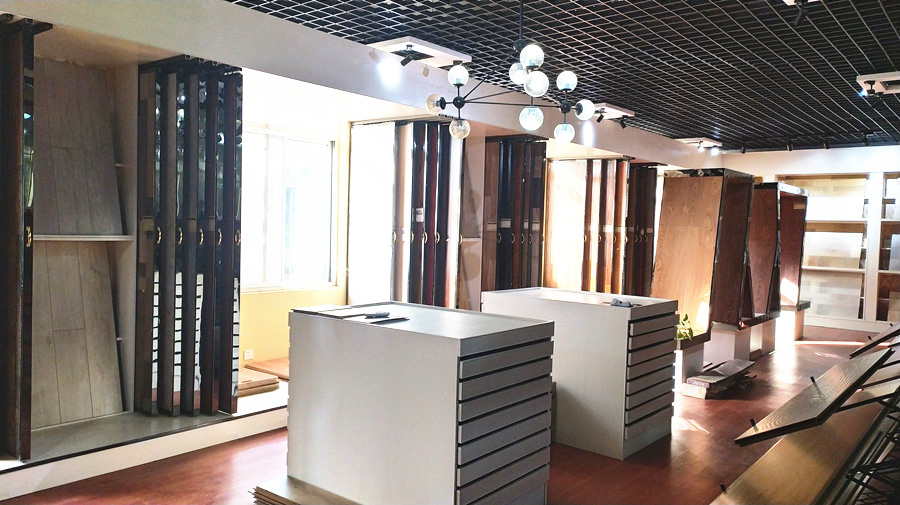
For structural engineers drafting specifications for projects in Portugal, material compliance is non-negotiable. Our manufacturing practices align directly with Eurocodes and EN standards to ensure zero liability:
All composite formulations undergo testing under the EN 15534 standard, assessing water absorption rates, swelling dynamics, and impact strength under varying temperatures.
We manufacture specialty polymer matrix configurations that meet stringent European fire classifications (EN 13501-1), vital for public-access decks and commercial zones.
Guaranteeing that all resins, colorants, and bonding agents are completely free from heavy metals, toxic volatile compounds, and formaldehyde.
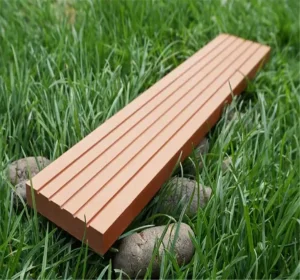
Select technical composite formulations engineered for multi-tier industrial, commercial, and luxury residential projects.
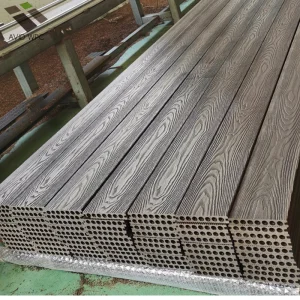
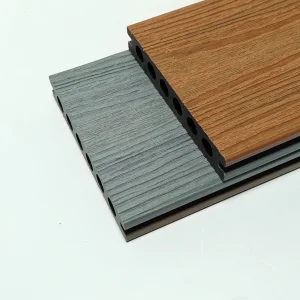
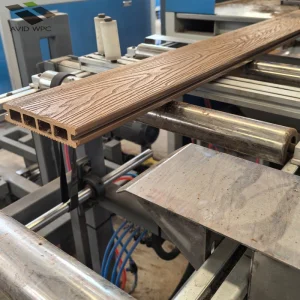
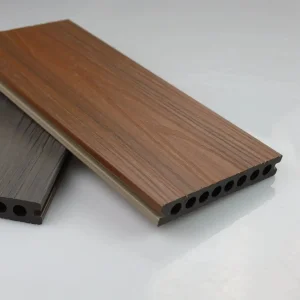
Procuring directly from advanced Asian manufacturing bases like Hebei Kands Floor Co., Ltd. presents clear pricing and customization benefits for structural developers in Portugal. However, managing import logistics requires absolute transparency in quality parameters and operational processes.
Lisbon is uniquely positioned along global trade channels. Sourcing direct container loads (FCL) of WPC decking offers optimal economic returns. Our logistics division specializes in heavy cargo loading optimization, maximizing pallet efficiency to prevent shift-induced surface scratching during long-distance maritime transport. We coordinate shipping protocols directly with local customs brokers at the Port of Lisbon to ensure stress-free clearance processes.
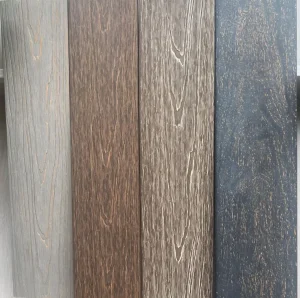
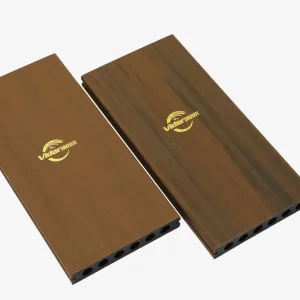
Lisbon experiences prolonged UV rays throughout the summer. Standard polymers degrade rapidly under intense sun, causing color fading and mechanical brittleness. To counteract this, our composite formulations incorporate premium UV stabilizers and high-quality antioxidant additives. The structural polymer matrix preserves its molecular structure under thermal stress, ensuring that colors like Teak, Walnut, and Maple retain their rich pigments for decades.
Whether installed on residential balconies in Cascais or poolside surfaces at luxury hotels, slip resistance is a critical public safety element. Our brushed and 3D wood-grain surface textures undergo rigorous pendulum slip test calibrations (satisfying DIN 51130 R11 guidelines). This provides secure traction even under wet coastal conditions, combining physical protection with a modern aesthetic layout.
Essential technical clarifications regarding the sourcing, installation, structural integrity, and durability of Hollow WPC Profiles.
 KandS Floor