Flagship Calgary Architectural Solutions
Engineered for high-traffic zones, extreme moisture exposure, and Calgary's unique hydronic heating system installations.
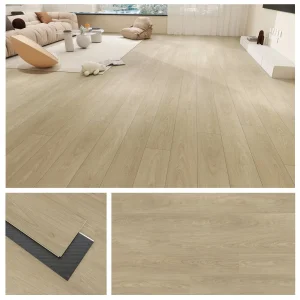
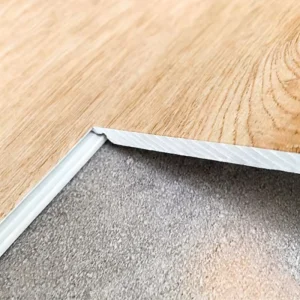
Macro Climatological Analysis
The municipal Calgary region features some of North America's most challenging indoor climatological conditions. Located at an altitude of over 1,045 meters, the city experiences rapid, extreme fluctuations in relative humidity (RH) and ambient outdoor temperatures—frequently swings of up to 30°C in a single day, triggered by winter Chinook winds. Such aggressive changes pose a significant risk to conventional interior materials, which undergo severe expansions and contractions.
For decades, developers and architects in downtown Calgary (e.g., Beltline, East Village) have struggled with natural timber shrinkage, joints buckling in LVT, or standard SPC flooring feeling excessively cold and rigid during winter sub-zero temperatures. Wood Plastic Composite (WPC) flooring addresses these concerns. By combining high-density wood fibers with premium virgin PVC polymer resins and foaming agents, our WPC core acts as an insulating cellular barrier that buffers subfloor thermal shifts while maintaining unparalleled dimensional stability.
Additionally, modern Calgary high-rises and suburban custom homes rely on hydronic radiant underfloor heating. Unlike standard solid cores, the micro-foamed cellular structure of WPC provides a controlled, gradual heat-conduction coefficient, mitigating thermal shock and ensuring structural cohesion over decades of constant cycling.
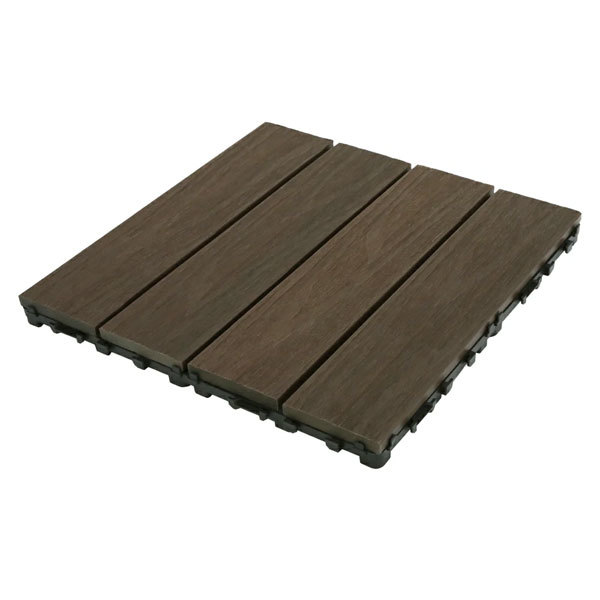
All shipments destined for the Albertan market conform to the National Building Code of Canada (NBC) requirements for dimensional stability and under-slab moisture protection.
Anatomy of WPC Engineering
Analyzing key physical performance indicators to evaluate performance under Albertan installation parameters.
| Performance Metric | Standard SPC Core | Hebei KandS Foamed WPC | Calgary Project Benefit |
|---|---|---|---|
| Core Density | 1,900 - 2,100 kg/m³ (Highly rigid) | 850 - 950 kg/m³ (Foamed cellular structure) | Lighter shipping weight, lower transportation footprint to Alberta. |
| Thermal R-Value | Low (Feels cold underfoot) | High (Provides natural heat insulation) | Significantly reduces heating costs during freezing (-30°C) winter months. |
| Acoustic Insulation (IIC Rating) | Approx. 45 - 50 (Requires heavy underlay) | Up to 68 (With integrated IXPE backing) | Exceeds standard Canadian municipal multi-family strata requirements (50+ IIC). |
| Underfloor Heating Compatibility | Conducts rapidly; prone to sudden heat spikes | Gradual heat dispersion; controls dissipation | Prevents buckling or hot spots in hydronic radiant floor loops. |
| Dimensional Expansion (80°C Test) | ≤ 0.12% | ≤ 0.08% (Enhanced with cross-linked resins) | Maintains joint integrity during Calgary's rapid Chinook temperature transitions. |
China Industry 4.0 Extrusion & Milling
A step-by-step preview of the precision manufacturing processes at our export facility, ensuring consistent quality for global buyers.
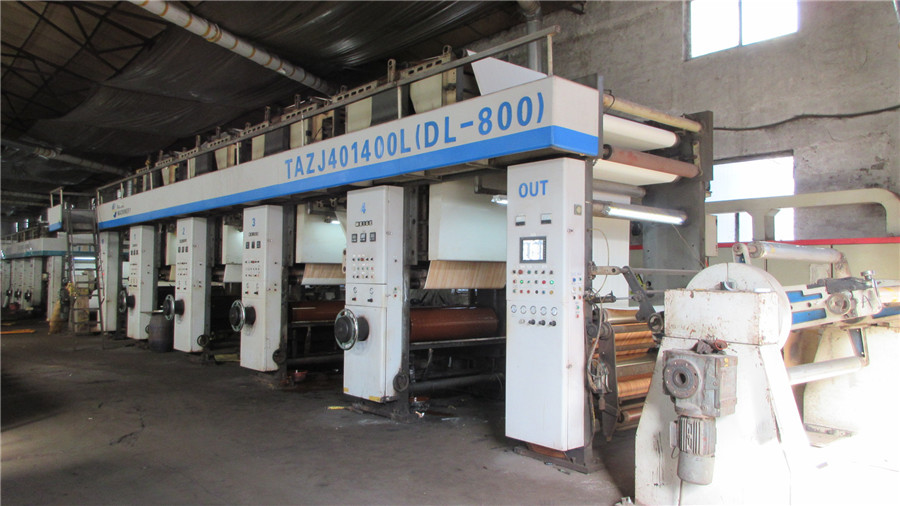
High-resolution rotogravure printing yields ultra-realistic wood-grain patterns that match local Canadian timber styles.
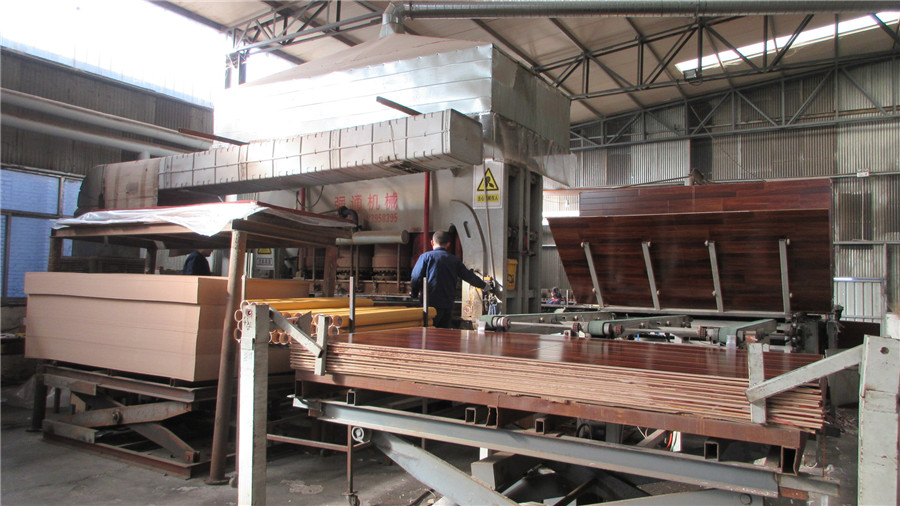
Fuses the wear layer, design film, and cellular WPC core under high temperature to ensure dynamic, permanent adhesion.
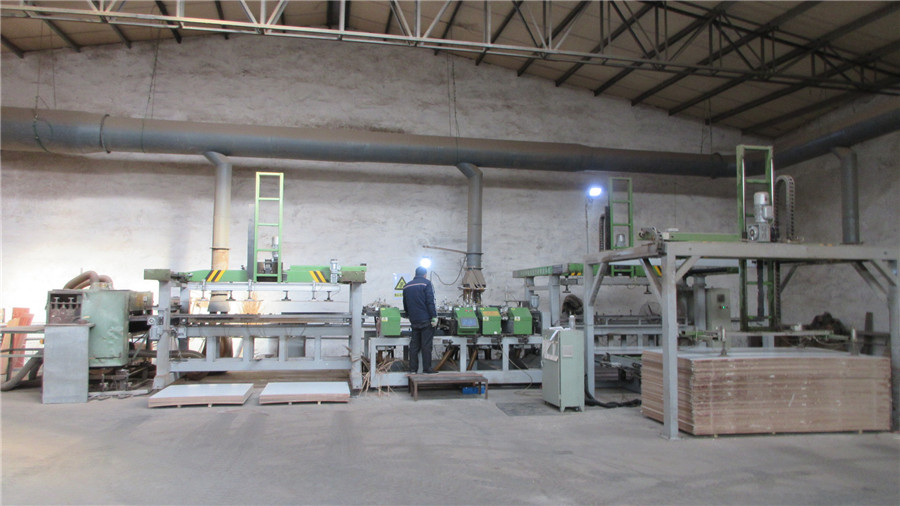
Automated slitting machines cut slabs into uniform raw planks with tolerance ranges within ≤0.05mm limits.
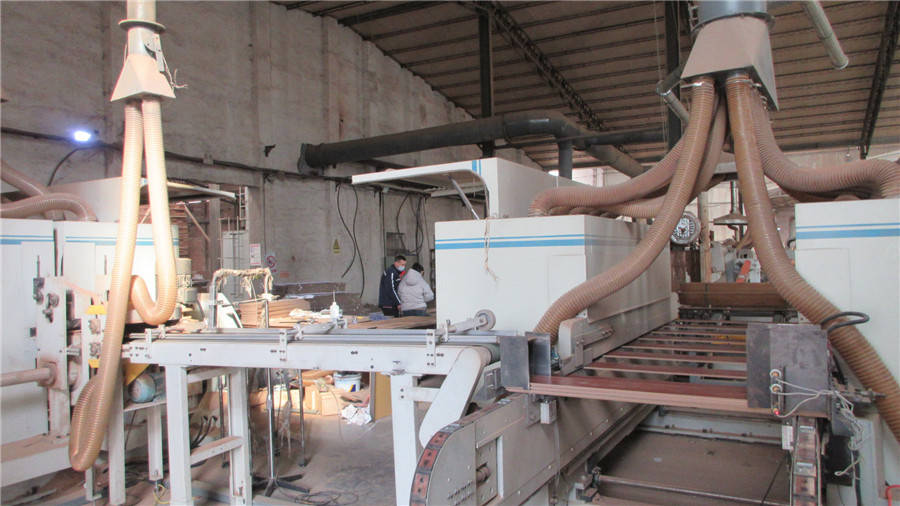
Precision profiling machinery mills complex interlocking click profiles, facilitating efficient on-site installations.
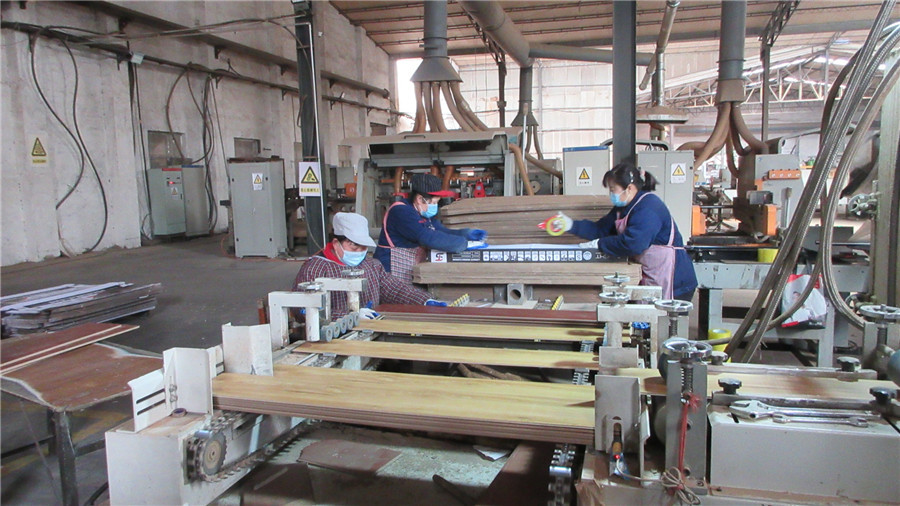
Wraps planks in moisture-barrier film and heavy-duty corrugated board, securing them for long-distance ocean shipping.
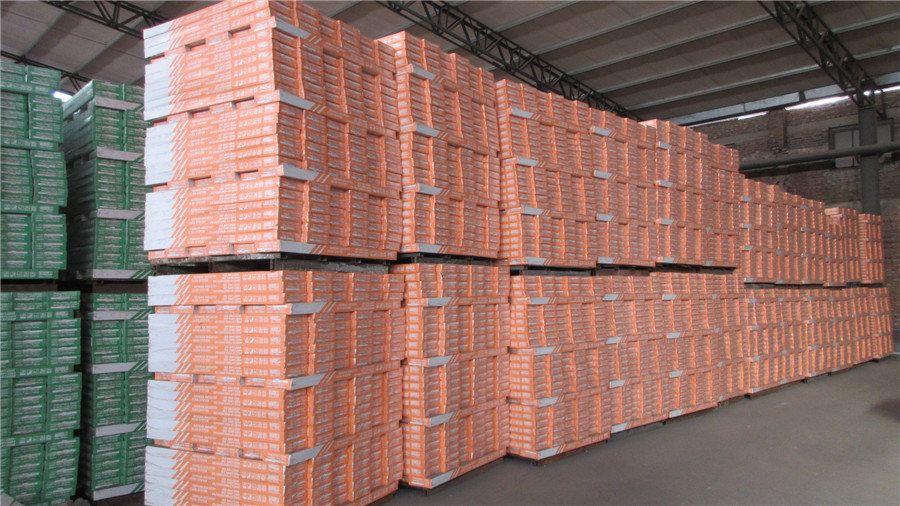
Finished goods are stored in climate-controlled warehouses before container loading to avoid wood-fiber ambient absorption.
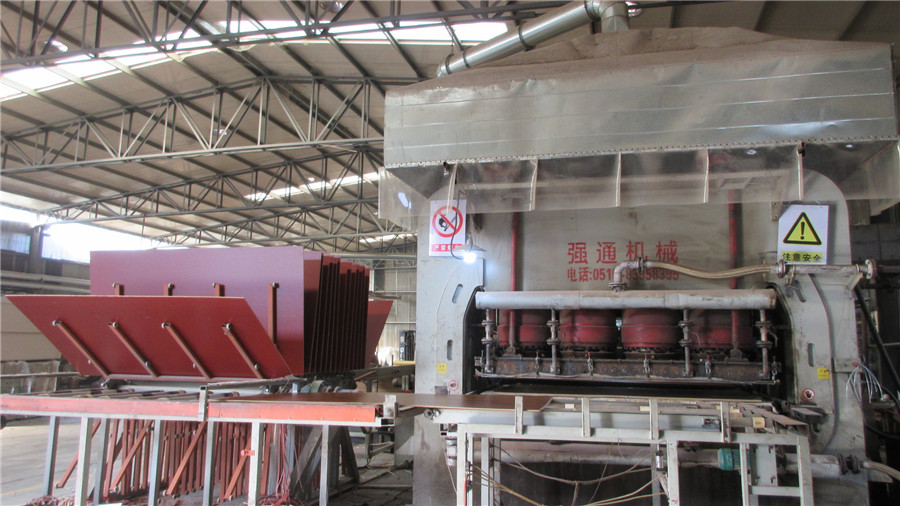
Heavy hydraulic multi-platen hot press systems stabilize structural layers to prevent post-installation cupping.
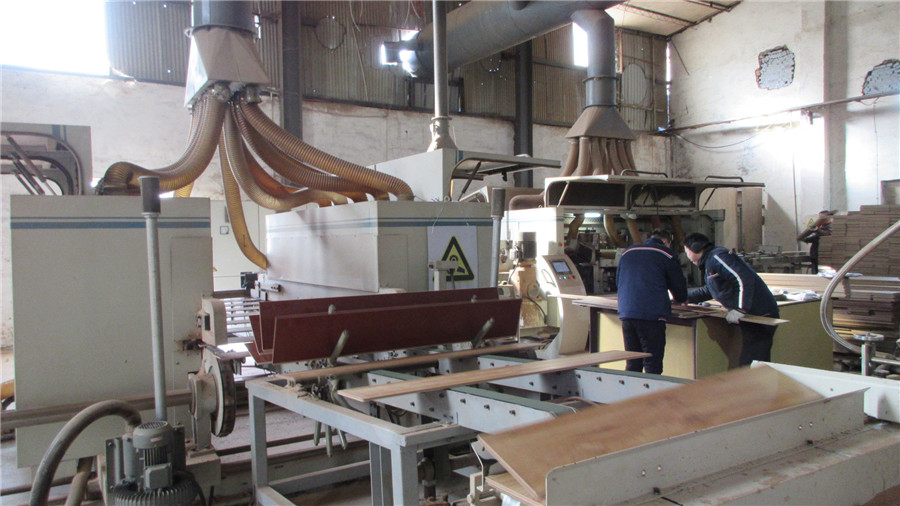
German-engineered slotting lines mill continuous micro-bevel profiles to simplify mechanical drop-down locking.
Direct industrial logistics pipelines linking Northern China ports with the Calgary Intermodal Terminal.
Supply Chain Security & Resiliency
For B2B commercial entities, procurement stability is just as critical as raw material quality. As a globally recognized manufacturer, Hebei KandS Floor Co., Ltd. coordinates highly integrated raw material operations. By housing extrusion, compounding, hot-pressing, and slotting systems within a single industrial campus, we eliminate dependencies on external suppliers.
This localized cluster framework ensures absolute pricing stability, neutralizing international polymer price volatility. More importantly, it gives us complete control over quality parameters, from raw resin purification to custom protective treatments. Our manufacturing facility utilizes high-speed German Homag profiling units, guaranteeing dimensional consistency across thousands of square meters. B2B buyers in Calgary benefit from this industrial precision through reduced assembly labor costs, lower call-back rates, and secure shipping schedules.
Whether you require tailored thicknesses, customized underlayment configurations, or localized wear-layer options (such as enhanced slip-resistance for icy Calgary entrances), our automated lines can scale up production to meet demanding project deadlines.
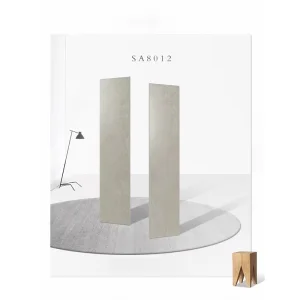
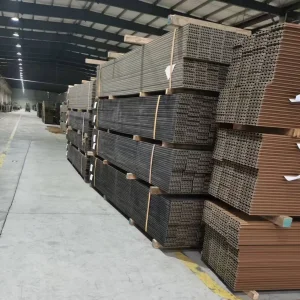
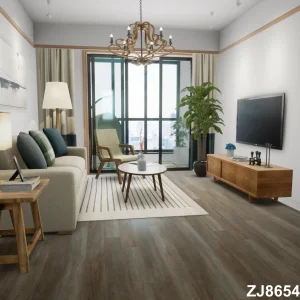
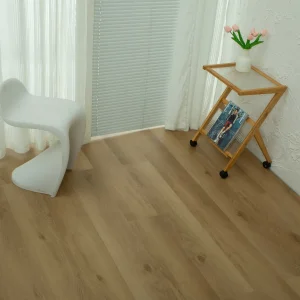
Architectural Solutions Portfolio
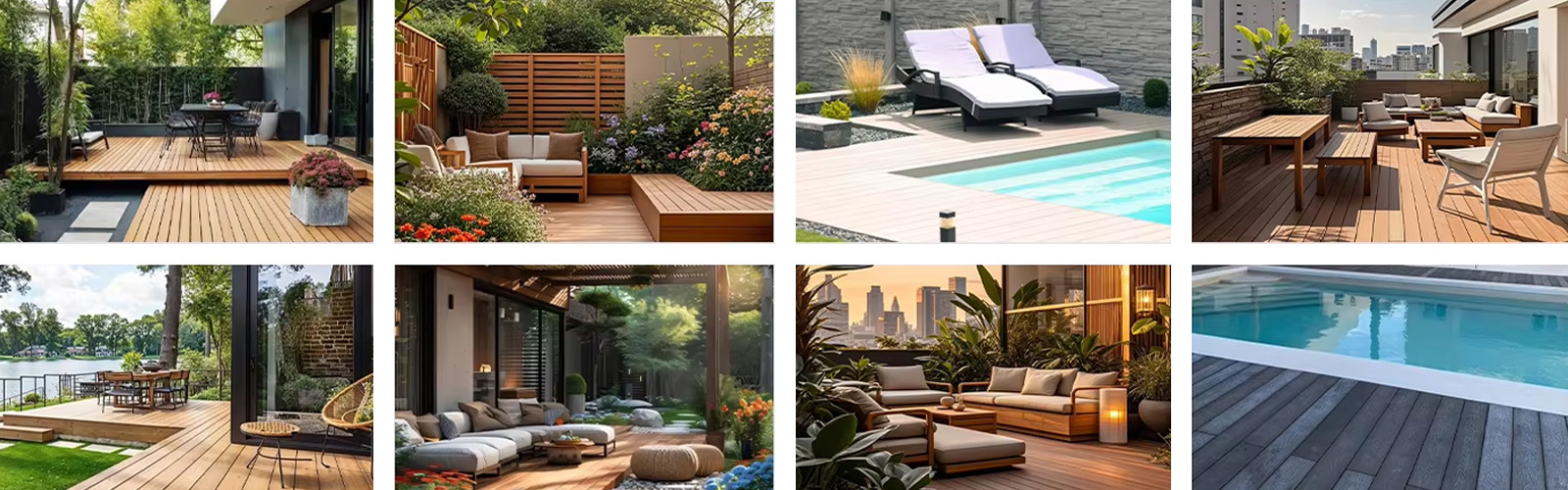
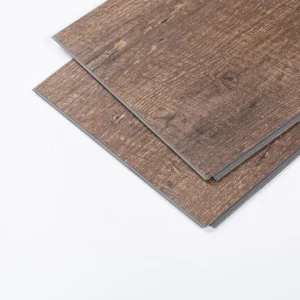
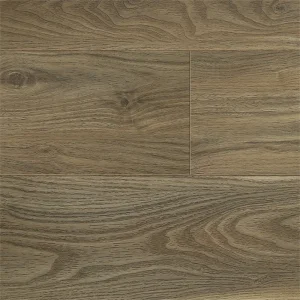
A comprehensive catalog of composite flooring solutions optimized for residential and heavy commercial projects across Western Canada.
Environmental & Safety Compliance
In accordance with the highest standards of safety, quality, and environmental responsibility, our manufacturing lines comply with stringent testing procedures. For Western Canadian commercial architects, specifying materials requires alignment with Canadian Building Codes. Our products undergo third-party auditing to achieve industry-recognized certifications:
Certified surface-burning characteristics. Delivers compliant flame-spread indexes and low smoke-development classifications required for Canadian public buildings.
Rigorous testing for volatile organic compounds (VOCs). Guarantees indoor air emission values fall well below safety thresholds, helping projects earn LEED points.
Adherence to international structural, dimensional, and safety benchmarks, backed by detailed QA verification files for commercial projects.
Our engineering support team guides architectural plans from raw CAD subfloor evaluation to finished site validation. By maintaining strict control over core formulation chemistry, we ensure our WPC substrates resist environmental cracking and plasticizer migration. This technical reliability helps prevent commercial installation issues, ensuring long-term performance under heavy traffic.
For custom multi-family housing projects, we provide tailored sound-dampening backing materials, including high-density cross-linked polyethylene (IXPE) and eco-friendly natural cork. These underlays absorb mechanical sound waves and prevent noise transmission between levels, making them ideal for high-density multi-family structures.
Knowledge Base
Addressing core mechanical, chemical, and logistics questions from professional specifiers, contractors, and retail partners.
While SPC (Stone Plastic Composite) uses a high-density, rigid limestone-heavy core, WPC (Wood Plastic Composite) blends wood fibers, polymer resin, and micro-foaming agents. The resulting foamed core creates tiny air pockets that act as a thermal buffer, insulating interiors from cold concrete subfloors. Additionally, this structure allows WPC to flex slightly under load, making it warmer underfoot and quieter than rigid stone composite cores.
Yes. Our WPC flooring is designed to remain dimensionally stable when paired with hydronic floor heating. We recommend keeping subfloor temperatures below 27°C (80°F) and ensuring heating systems are active for at least two weeks prior to installation to stabilize subfloor moisture levels. The core's low expansion rate (≤0.08% at extreme heat tests) helps prevent joint separation or plank warping during standard temperature cycles.
Canadian multi-family building guidelines require floor-ceiling assemblies to meet or exceed an IIC (Impact Insulation Class) rating of 50. Standard WPC, when paired with an integrated 1.5mm IXPE acoustic backing, achieves IIC ratings between 62 and 68. This performance helps projects easily comply with local condo board requirements and municipal building codes without requiring thick, expensive subfloor underlayments.
Our standard manufacturing lead time for full container load (FCL) orders is 20 to 25 days from deposit confirmation. Marine transit to the Port of Vancouver, followed by rail freight transport to the Calgary intermodal terminal, typically takes 18 to 25 days. We provide direct FOB, CIF, or DDP delivery options, coordinate custom brokerage, and supply all necessary commercial documentation for Canadian customs clearance.
We offer wear layer thicknesses of 0.3mm (12 mil) for residential spaces, 0.5mm (20 mil) for standard commercial areas, and 0.7mm (28 mil) for heavy commercial installations. Our wear layers are treated with a double UV cured polyurethane coating infused with ceramic beads. This provides Group T-rated abrasion resistance, helping protect planks against tracked-in sand, snow-melting salt, and gravel during local winter weather.
Contact our technical support desk today to request raw WPC samples, physical testing reports, or dynamic pricing quotes for commercial projects.
Send Inquiry Now KandS Floor